
Michigan continues to allow the sale and possession of Kratom in 2026, but that doesn’t mean the legal landscape is static. If you’re wondering, “Is Kratom legal in Michigan?” it’s worth understanding not only the current law but also the legislative proposals that could affect future regulations.
In this guide, we’ll break down the state’s existing laws, pending bills, and the latest developments surrounding Kratom in Michigan.
Table Of Contents
- Is Kratom Legal In Michigan? Current Legal Status In 2026
- Understanding HB 5537 & HB 4969: Michigan’s Proposed Kratom Bills
- Michigan Kratom Legislation Timeline
- How Does Michigan’s Kratom Law Compare to Other States?
- What Michigan Residents Should Watch For In 2026?
- What Could Happen Next?
- Final Takeaway: Is Kratom Legal in Michigan?
- Frequently Asked Questions
Is Kratom Legal In Michigan? Current Legal Status In 2026
Yes. Kratom is legal in Michigan as of 2026.
Here’s the current legal status at a glance:
- Legal statewide: Kratom is not classified as a controlled substance in Michigan.
- Permitted activities: Residents can legally buy, sell, possess, and distribute Kratom under current state law.
- Legislation under review: Two bills are being considered:
- HB 5537 proposes restrictions on Kratom.
- HB 4969 proposes regulating Kratom rather than prohibiting it.
- Current status: Neither bill has been enacted into statewide law, so Kratom remains legal while legislative discussions continue.
Understanding HB 5537 & HB 4969: Michigan’s Proposed Kratom Bills
Michigan currently has two major Kratom bills working their way through the legislature, and they pull in opposite directions. One would ban Kratom entirely. The other would regulate it while keeping it on shelves. Here is how each one breaks down.
1. What Is House Bill 5537?
House Bill 5537 is Michigan’s Kratom ban proposal. It was introduced in February 2026 and passed the Michigan House in March 2026.
The bill would add a new section to Michigan’s penal code and make certain Kratom-related activities a misdemeanor. It also includes synthetic variants of Kratom, including synthetic 7-hydroxymitragynine, within its proposed restrictions.
👉 What the Bill Would Restrict?
HB 5537 would restrict a person from:
- Growing Kratom
- Synthesizing Kratom
- Selling Kratom
- Offering Kratom for sale
- Giving Kratom to another person
- Importing Kratom
- Distributing Kratom
- Doing the same with a synthetic variant of Kratom
This bill focuses on production, sales, importation, and distribution. It is not written like a product-labeling bill or a retail-licensing bill.
👉 Penalties Listed in the Proposal
⚠️ HB 5537 lists misdemeanor penalties based on the type of violation:
| Situation | Proposed Penalty |
| First violation | Up to 90 days in jail, a fine of up to $5,000, or both |
| Repeat violation | Up to 180 days in jail, a fine of up to $10,000, or both |
| Sale, offer, gift, or distribution to a person under 18 | Up to 1 year in jail, a fine of up to $10,000, or both |
| Repeat violation involving a person under 18 | Up to 1 year in jail, a fine of up to $20,000, or both |
These penalties are part of the bill proposal. They are not active statewide laws unless the bill completes the required legislative steps.
👉 Current Status of HB 5537
HB 5537 passed the Michigan House on March 18, 2026. On March 24, 2026, it was referred to the Senate Committee on Government Operations. That means the bill is still pending. It would still require Senate approval and the required final steps before becoming law.
What Is Michigan HB 4969?
HB 4969 is Michigan’s Kratom regulation proposal. Instead of creating a full ban, this bill would create a state framework for Kratom product licensing, registration, labeling, and testing.
The bill is titled the Kratom Consumer Protection and Regulatory Act. It would place oversight with the Michigan Department of Licensing and Regulatory Affairs.
👉 Proposed Licensing and Registration Rules
Under HB 4969, businesses would be required to obtain a license to sell, distribute, or manufacture Kratom products in Michigan beginning January 1, 2027.
The bill would require:
- A license for each business location.
- Licensing for online sales directed to Michigan buyers.
- A product list for each location.
- A certificate of analysis with the application.
- A $200 application fee.
- A license term of 3 years.
- A $125 renewal fee.
- Display of the certificate of licensure at each location.
This bill would create a regulated retail system rather than removing Kratom from the market entirely.
👉 Proposed Testing and Labeling Rules
HB 4969 would require Kratom products to include specific label details, including alkaloid content.
⚠️ The bill would also require:
- Mitragynine amount on the label.
- 7-hydroxymitragynine amount on the label.
- A certificate of analysis from a qualified laboratory.
- Lab testing before license application.
- Restrictions on certain adulterated or contaminated products.
- Limits on products above the listed 7-hydroxymitragynine threshold.
- Restrictions on synthetic alkaloids.
👉 Current Status of HB 4969
HB 4969 was introduced in September 2025. It was reported with a substitute in November 2025 and later referred to the House Committee on Regulatory Reform on June 10, 2026.
As of now, HB 4969 has not become law. It remains part of Michigan’s broader 2026 Kratom policy discussion.
| Do You Know? Michigan has not yet enacted a KCPA. One of the proposals under consideration (HB 4969) aims to regulate Kratom rather than prohibit it, but until new legislation is passed, there are no statewide Kratom-specific consumer protection standards. |
Michigan Kratom Legislation Timeline
Here’s a quick look at the key developments shaping Michigan’s Kratom laws:
| Date | Legislative Update |
| September 2025 | HB 4969 (Kratom Consumer Protection and Regulatory Act) was introduced. |
| November 2025 | HB 4969 was reported with a substitute version. |
| February 2026 | HB 5537, the proposed Kratom ban bill, was introduced. |
| March 18, 2026 | HB 5537 passed the Michigan House of Representatives. |
| March 24, 2026 | HB 5537 was referred to the Senate Committee on Government Operations. |
| June 10, 2026 | HB 4969 was referred to the House Committee on Regulatory Reform. |
Note: Both bills remain under legislative consideration and have not become Michigan law.
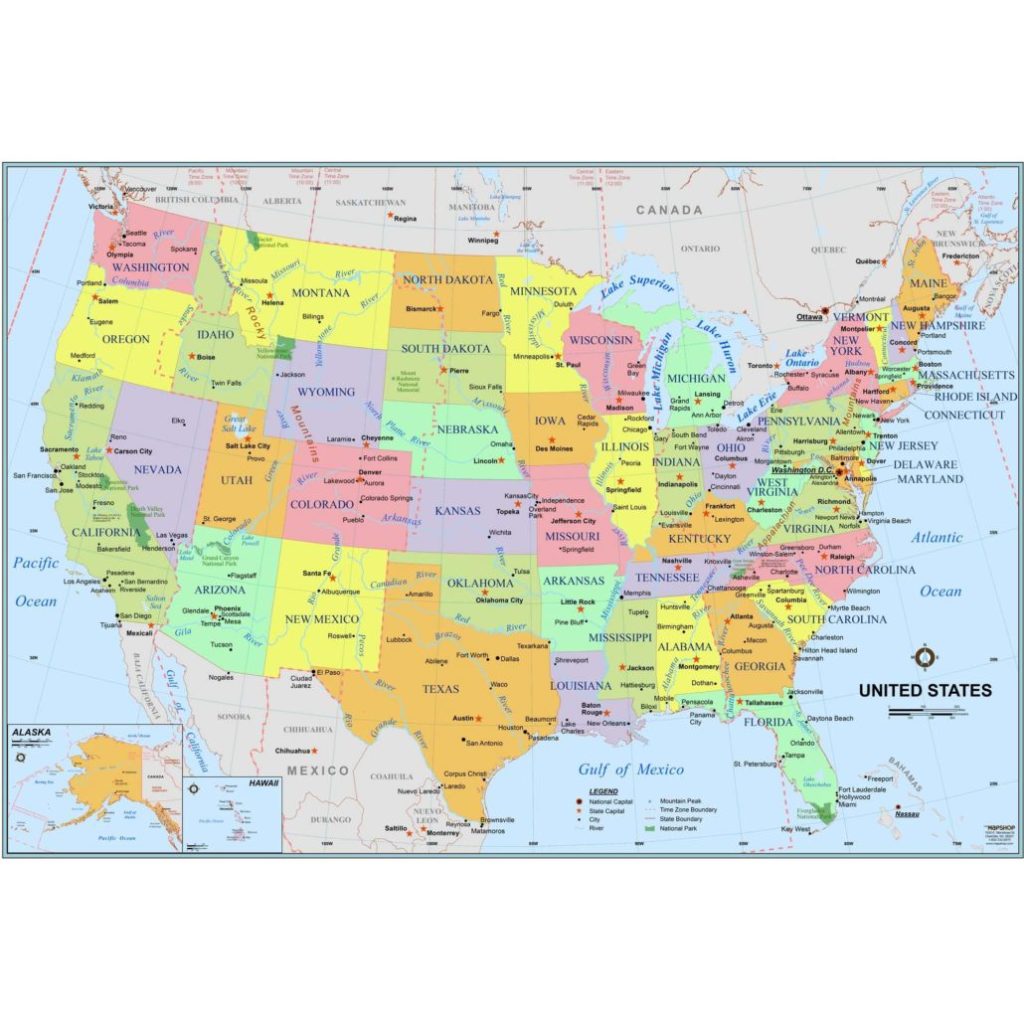
How Does Michigan’s Kratom Law Compare to Other States?
Michigan currently allows Kratom, but its legal framework differs from many other states. While some have adopted Kratom-specific regulations, others continue to review legislation or have banned Kratom or its primary alkaloids.
| States | Current Kratom Status |
| Michigan | Legal, with pending 2026 legislation |
| Ohio | Legal, with ongoing policy discussions |
| Illinois | Legal with age restrictions |
| Vermont | Prohibited |
| Kentucky | Prohibited / sales ban scheduled |
| Indiana | Prohibited |
| Wisconsin | Prohibited |
| Alabama | Prohibited |
| Arkansas | Prohibited |
⭐ Get a detailed overview of Kratom legality for each state:
- Is Kratom Legal In Vermont?
- Is Kratom Legal In Indiana?
- Is kratom legal in Arkansas?
- Is Kratom Legal In Alabama?
- Is Kratom Legal In Illinois?
- Is Kratom Legal in Kentucky? An Essential Guide to Its Laws
- Is Kratom Legal in Ohio? Guide To Current Laws & Regulations
| Stay Updated: Since Michigan lawmakers are still considering Kratom-related legislation, the legal status could change. Check the Michigan Legislature’s bill tracker for the latest action on HB 4969 and HB 5537 before making purchasing or business decisions. |
What Michigan Residents Should Watch For In 2026?
Although Kratom is legal in Michigan, product quality and seller practices can vary. Before placing an order, it’s worth checking a few key details to help you make an informed purchase.
✔️ What To Check Before Buying Kratom In Michigan?
- Verify the seller ships to Michigan.
- Look for third-party lab reports or Certificates of Analysis
- Check that the product label clearly lists ingredients and quantity.
- Choose vendors with transparent contact information and clear policies.
- Read recent customer reviews about product quality and shipping.
- Confirm the product type matches what you’re looking for (powder, capsules, or extracts).
❌ What To Avoid When Buying Kratom In Michigan?
- Overstated or medical claims about Kratom
- Products marketed around synthetic 7-Hydroxymitragynine
- Sellers with no visible company information
- Pages that copy the same description across every product
- Check out pages that do not confirm restricted-state shipping
- Listings that hide basic product size or quantity details
What Could Happen Next?
Michigan’s Kratom laws could change depending on how HB 5537 and HB 4969 progress through the legislature. Several outcomes are possible:
- HB 5537 passes: Michigan would introduce new restrictions and criminal penalties for certain Kratom-related activities.
- HB 4969 passes: The state would establish licensing, testing, labeling, and registration requirements for Kratom products rather than banning them.
- Neither bill passes: Michigan’s current laws would remain in place, and Kratom would continue to be legal statewide.
Until either proposal becomes law, Michigan’s current legal status remains unchanged.
Final Takeaway: Is Kratom Legal in Michigan?
Kratom remains legal in Michigan as of 2026, but the state is actively reviewing two different legal paths. For now, residents can still buy, sell, and possess Kratom statewide. Since the law could change if pending legislation moves forward, it is important to check current Michigan updates before making any buying decision.
Frequently Asked Questions
1. Has Michigan Passed A Kratom Ban?
No, Michigan has not passed a Kratom ban as of 2026. HB 5537 has been introduced and moved through the House, but it has not become statewide law.
2. Can I Order Kratom Online In Michigan?
Yes, you can currently order Kratom online in Michigan. Before placing an order, check the seller’s Michigan shipping policy and any recent state law updates.
3. Is Kratom Legal In Detroit, Michigan?
Yes, Kratom is legal in Detroit under current Michigan law. There is no statewide ban in effect, but local updates should still be checked.
Read more: Where To Buy Kratom In Detroit, MI?
4. Can I Fly With Kratom In Michigan?
Yes. Since Kratom is legal in Michigan, you can generally travel with it within the state. However, if you’re flying, check the Kratom laws at your destination before you travel, as some states restrict or prohibit Kratom.
Read more: Can You Take Kratom On A Plane?
5. Can I Sell Kratom In Michigan?
Yes. Under current Michigan law, businesses can sell Kratom because it is not classified as a controlled substance. However, if HB 4969 becomes law, sellers may need to obtain a state license and comply with new testing, labeling, and registration requirements.
6. Do I Have To Be 21 To Buy Kratom In Michigan?
No statewide law currently requires buyers to be 21 years old. However, individual retailers may set their own age policies, and any future legislation could introduce statewide age restrictions.
Read more: How Old Do You Have To Be To Buy Kratom?
7. Does Michigan Regulate Kratom Products?
Not at this time. Michigan has not enacted statewide Kratom-specific rules for product testing, labeling, or licensing. However, HB 4969 proposes creating a regulatory framework that would establish these requirements if it becomes law.
8. Do Any Michigan Cities Ban Kratom?
As of 2026, there are no widely recognized municipal bans on Kratom in Michigan. Kratom is legal under current state law, but local ordinances can change over time. Before buying or selling Kratom, it’s a good idea to check for any city or county regulations that may apply.
Disclaimer: This article is for informational purposes only and should not be taken as legal advice. Kratom laws can change at the state, county, and city levels, especially while legislation is under review. Always check current Michigan law, local ordinances, and official government sources before buying, selling, ordering, or traveling with Kratom.

 Is Kratom Legal In Nebraska?
  Is Kratom Legal In New Hampshire?