You've probably seen Yellow Kratom listed alongside Red, Green, and White — and wondered what it actually is. Is it a different plant? A marketing label? A blend? None of the above.
Yellow Kratom is its own category, defined entirely by how it's processed after harvest, and not by where it grows or what it looks like on the tree.
This guide breaks down everything: what Yellow Kratom is, how it's made, how it compares to other vein colors, and what to look for when you buy it.
Table Of Contents:
- What Is Yellow Kratom?
- Is Yellow Kratom Natural Or Processed?
- How Is Yellow Kratom Made?
- Yellow Kratom's Alkaloid Profile vs Other Vein Colors
- Yellow Kratom vs Red, Green, and White: Key Differences
- Popular Yellow Kratom Strains
- Available Yellow Kratom Product Forms In The Market
- What To Look For When You Buy Yellow Kratom?
- Yellow Kratom Reviews: What The Community Says
- FAQs About Yellow Kratom
- The Bottom Line
What Is Yellow Kratom?
Yellow Kratom is a processed Kratom variety and not a naturally occurring vein color.
Here's what that means in simple terms:
- Mitragyna speciosa (Kratom) naturally produces leaves with three vein colors: Red, Green, and White
- There are no yellow-veined Kratom leaves growing on any tree
- Yellow Kratom is created through post-harvest techniques, specifically extended drying, fermentation, or blending of other strains
- These techniques change the leaf's chemical composition, producing a pale yellow or golden-colored powder
Is Yellow Kratom Natural or Processed?
Short answer: Processed.
There are no Mitragyna Speciosa trees that naturally produce yellow-veined leaves. Yellow Kratom is the result of post-harvest processing, and because there's no single standardized method, production can vary across farms and regions.
The Leading Theories On Yellow Kratom's Origins
| Theory | What It Involves | Likelihood |
| Extended Outdoor Drying | Leaves dried longer than usual, often in direct sunlight | High |
| Fermentation Process | Leaves are stored in controlled conditions to naturally ferment | High |
| Vein Color Blending | White + Red, or White + Green leaves, are combined and then processed | Moderate |
| Mature Leaf Harvesting | Older leaves picked later in the growth cycle | Lower |
| Young Leaf Harvesting | Immature leaves with naturally yellow-tinted veins | Lower |
What Most Producers Actually Do
- The most consistent explanation across verified producers: extended drying combined with fermentation
- This is applied to leaves that would otherwise become White, Red, or Green Kratom
- Because no universal standard exists, Yellow Kratom can vary between brands and batches more than other color varieties
- That variability is exactly why sourcing from a tested, reputable vendor matters
How Is Yellow Kratom Made?
Step 1 — Leaf Selection
- Farmers harvest mature Mitragyna speciosa leaves
- These are typically leaves that would otherwise be dried into Red, White, or Green Kratom
- The starting leaf type influences the final alkaloid profile of the Yellow batch
Step 2 — Extended Drying (The Core Differentiator)
- Instead of the standard drying window, Yellow Kratom leaves are dried for a significantly longer period
- Some producers dry outdoors in direct sunlight
- Others use a controlled indoor fermentation environment — sealed or semi-sealed storage that lets natural fermentation occur
- This extended exposure triggers chemical changes in the leaf's alkaloid structure
- Mitragynine (which accounts for approximately 66% of Kratom's total alkaloid content per published phytochemical research) begins converting into other alkaloid forms, most notably 7-Hydroxymitragynine
Step 3 — Optional Blending
- Some producers combine two strains before or after fermentation
- Common pairings: White + Red, or White + Green
- This is one reason Yellow Kratom is sometimes called a "hybrid" variety
Step 4 — Milling
- Once drying and/or fermentation is complete, leaves are finely milled into powder
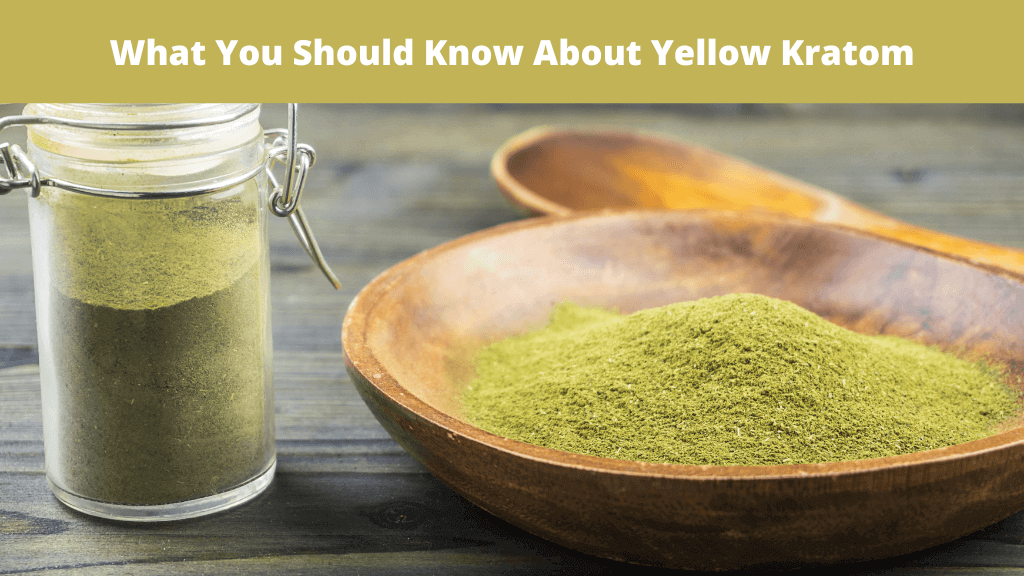
- The result is a pale gold or yellow-tinged powder, which is where the name comes from
- From here, it's packaged as powder, encapsulated, or processed into extract formats
Yellow Kratom's Alkaloid Profile vs Other Vein Colors
The Two Key Alkaloids
Kratom's character is largely determined by its alkaloid content. The two most studied are:
- Mitragynine: the dominant alkaloid that makes up roughly 60–66% of the total alkaloid fraction
- 7-Hydroxymitragynine (7-OH): present in smaller amounts naturally; significantly more potent per unit than mitragynine
What Changes After Fermentation?
- The extended drying and fermentation behind Yellow Kratom trigger a partial conversion of Mitragynine into 7-Hydroxymitragynine
- This shifts the alkaloid ratio compared to the same leaves processed as a standard Red, Green, or White product
- It's why Yellow Kratom is treated as its own category despite originating from the same plant material
Vein Color Alkaloid Comparison
| Vein Color | Alkaloid Characteristics | Processing Level |
| White | High mitragynine; minimal conversion | Low — indoor dried, shorter period |
| Green | Balanced mitragynine profile | Moderate — mixed indoor/outdoor drying |
| Red | Higher 7-OH conversion via UV/sunlight | High — extended outdoor drying |
| Yellow | Shifted ratios via fermentation | Highest — fermentation + extended drying |
Note: Once dried and powdered, all colors look similar in the bag. The distinction in vein color is about the leaf at harvest and the processing method, not the finished powder's color.
Yellow Kratom vs Red, Green, and White: Key Differences
Yellow vs White Kratom
- White Kratom is dried quickly, typically indoors, with minimal alkaloid conversion
- Yellow often starts from the same or similar base leaves as White
- The extended fermentation process significantly shifts Yellow's profile away from White
- Key difference: White = minimally processed. Yellow = substantially processed.
Yellow vs Green Kratom
- Green Kratom is often positioned as a "middle ground" between White and Red
- Yellow occupies a similar conceptual space — but goes further through fermentation
- Green does not typically undergo the same extended process
- Key difference: Fermentation. That extra step separates Yellow from Green at the chemical level.
Yellow vs Red Kratom
- Red Kratom is made through extended outdoor drying with UV/sunlight exposure
- Yellow uses fermentation rather than UV-driven conversion — a different method, but overlapping results
- Both sit on the "more processed" end compared to White and Green
- Key difference: Method of conversion. Red = UV/sunlight. Yellow = fermentation + extended drying.
Full Comparison at a Glance
| Feature | White | Green | Yellow | Red |
| Natural Vein Color? | ✅ Yes | ✅ Yes | ❌ No | ✅ Yes |
| Processing Level | Low | Moderate | High | High |
| Alkaloid Conversion | Minimal | Moderate | Significant (fermentation) | Significant (UV/drying) |
| Consistency Across Brands | High | High | Moderate | High |
Learn More: Types Of Kratom Strains
Popular Yellow Kratom Strains
Because Yellow Kratom is defined by processing — not by a unique leaf origin — it exists as a yellow-processed version of classic strain names. Here are the most established Yellow Kratom strains:
Yellow Maeng Da
- "Maeng Da" translates loosely to "pimp grade" in Thai — a reference to its high potency
- Yellow Maeng Da takes a high-alkaloid base and runs it through fermentation
- One of the most consistently reviewed Yellow Kratom strains across the market
Yellow Borneo
- Sourced from Borneo (Indonesia/Malaysia), known for dense alkaloid content
- Yellow Borneo is a great introduction point for those new to Yellow Kratom strains
- Available in powder and capsule form from most major vendors
Yellow Bali
- Bali Kratom is among the most widely produced and consistent strains available
- Yellow Bali carries that reliability into the Yellow category
- A natural transition for anyone already familiar with Red or Green Bali
Yellow Vietnam
- Vietnam has grown into a notable Kratom-producing region over the past decade
- Vietnamese strains carry a slightly different alkaloid fingerprint than Indonesian varieties
- Yellow Vietnam brings that regional distinctiveness into the fermented category
Yellow Sumatra
- Grown in the tropical forests of Sumatra
- Less common than Maeng Da or Bali, but well-regarded for powder quality
- Yellow Sumatra is a good option for those who've already explored other Yellow Kratom strains
Yellow Thai
- Thai Kratom has a long agricultural and cultural history with Mitragyna speciosa
- Yellow Thai is the fermented expression of that tradition
- Typically produced from White Thai base leaves
Available Yellow Kratom Product Forms In The Market
Yellow Kratom Powder
- The most traditional and widely available format
- Finely milled dried leaf material
- Widest strain variety available in this format
- Typically, the most cost-effective option per gram
Yellow Kratom Capsules
- Yellow Kratom capsules contain re-measured powder in gelatin or vegetarian shells
- Removes the need for a scale
- Consistent per-capsule weight makes tracking straightforward
- Available in a more limited strain selection than powder
Yellow Kratom Extract
- Concentrated Kratom with higher alkaloid density per unit weight
- Often labeled with a concentration ratio (e.g., 2:1, 5:1)
- Less common in Yellow than in Red or Green formats
- Available from select vendors — look for COAs specific to the extract batch
Also Read What Sets The Kratom Forms Apart:
- Kratom Powder vs Capsules: Key Differences
- Kratom Powder vs Extract: What You Need To Know
- Kratom Extracts vs Capsules: What’s The Difference?
What To Look For When You Buy Yellow Kratom?
Not all Yellow Kratom is produced equally. Because the process isn't standardized, quality gaps are wider here than with other strains.
✅ Third-Party Lab Testing (COAs)
- A Certificate of Analysis (COA) from an accredited independent lab is non-negotiable
- It confirms alkaloid content and screens for heavy metals, pathogens, and adulterants
- Ask for batch-specific COAs from a third-party lab, and not just a general company certificate
Read More: How To Read A Kratom Lab Test Report?
✅ AKA GMP Compliance
- The American Kratom Association's Good Manufacturing Practices program audits vendors for quality controls and consistency
- AKA-qualified vendors meet a higher standard than the unregulated baseline
- Compliance status is publicly listed on the AKA website
Read Here: List Of AKA-Approved Kratom Vendors
✅ Clear Strain Labeling
- Look for vendors that disclose which base leaf type was used (e.g., fermented from White varieties, or from Red strains)
- That level of transparency reflects real process knowledge and not just marketing
✅ Sourcing Transparency
- Direct-from-farm sourcing or named farm/region relationships = better traceability
- Anonymous bulk sourcing = harder to verify quality at the leaf level
Yellow Kratom Reviews: What The Community Says
Across Kratom forums and Reddit threads, a few consistent patterns appear in Yellow Kratom reviews:
What Reviewers Highlight
- Batch consistency is the #1 topic in Yellow Kratom reviews — more so than any other vein color
- Production method differences between farms mean that the same strain name can vary noticeably between vendors
- Powder color is frequently cited as a quality indicator; genuine fermented Yellow Kratom presents as true pale gold, not standard green-brown
- Yellow Maeng Da and Yellow Bali appear most often in positive Yellow Kratom reviews, pointing to these as the most reliably produced strains
What Reviewers Recommend
- Buy from AKA GMP-compliant vendors — specifically called out for Yellow given the production variability
- Request or verify batch-specific COAs before purchasing
- Stick with vendors who have multi-order review histories on Yellow Kratom specifically, and not just strong overall ratings
At Oasis Kratom, our Yellow Kratom products are fully third-party tested and sourced from farms with established quality records. Browse our Yellow Kratom collection today!
FAQs About Yellow Kratom
1. Does Yellow Kratom come from a different plant than Red, Green, or White?
No. All Kratom, regardless of vein color, comes from the same plant, Mitragyna speciosa. Yellow is not a distinct species, subspecies, or botanical variety. The difference is entirely in post-harvest processing, not in the plant itself.
2. Is Yellow Kratom the same as Gold Kratom?
Most vendors use these terms interchangeably, and in practice, they typically refer to the same processing method. There's no industry-wide standard that separates the two: Yellow and Gold Kratom. If you're unsure, check the product description for the source leaf type and ask for a COA.
3. How should I store Yellow Kratom powder?
Keep it in an airtight container, away from direct sunlight, heat, and moisture. Because Yellow Kratom has already undergone an extended drying or fermentation process, further exposure to humidity or light can degrade its alkaloid content faster than standard vein types.
Read More: How To Properly Store Kratom?
4. Why is Yellow Kratom sometimes harder to find?
The fermentation and extended drying process is more time-intensive than standard Kratom processing, which means fewer farms produce it and at lower volumes. Availability has grown as demand has increased, but it remains less consistent in stock than the three primary vein types.
5. Can Yellow Kratom be made without fermentation?
Yes. Not all Yellow Kratom relies on fermentation. Some batches are created through extended drying or controlled curing alone, without any fermentation phase. The exact method depends on the vendor and production style, which is why Yellow Kratom can vary significantly between sources.
6. Why does Yellow Kratom look different from batch to batch?
Yellow Kratom appearance differences come from processing variation rather than plant differences. Factors such as drying duration, sunlight exposure, and blending methods influence the final batch characteristics. Since there is no single production standard, variation is expected across vendors and regions.
7. Is Yellow Kratom naturally yellow in color?
No. Kratom leaves are naturally green. The yellow or golden tone associated with Yellow Kratom appears after drying, curing, or fermentation, not on the living plant.
The Bottom Line
Yellow Kratom is neither a naturally occurring vein color nor it is a blend label. It's a processed category, and understanding that process is what separates informed buyers from confused ones.
Here's what to keep in mind:
- Yellow = processed, not natural
- Fermentation and extended drying are the defining production methods
- Alkaloid ratios shift during processing, which is what makes Yellow distinct
- Batch consistency varies more with Yellow than any other vein type — so vendor quality matters more here
- AKA GMP compliance + batch COAs are the two non-negotiables when you buy Yellow Kratom
Disclaimer: This article is for informational purposes only. Kratom is not approved by the FDA for any medical use. Always research local regulations regarding Kratom in your area before purchasing.

 9 Tips on How to Buy Kratom Online
  Kratom Wholesale Buying Guide: Bulk Kratom Powder Explained