Kratom is legal in Oregon in 2026, but it is governed by a state regulatory framework that sets specific rules for its sale and distribution. Oregon's current law comes from House Bill 4010, which established requirements for processors and retailers rather than imposing a statewide prohibition.
If you're trying to figure out where things actually stand in 2026 about “Is Kratom legal in Oregon?” This guide will explain what Oregon law says, how the rules apply, and where to check for the latest updates.
Table Of Contents
- Is Kratom Legal in Oregon? (Quick Answer)
- What Is the Oregon Kratom Consumer Protection Act?
- What Kratom Products Are Covered Under Oregon Law?
- Rules for Kratom Processors and Retailers
- Are There Local (City or County) Kratom Bans in Oregon?
- Is Kratom a Controlled Substance Federally?
- Oregon vs Neighboring States: Kratom Laws in 2026
- How Can You Check the Latest Oregon Kratom Laws?
- The Future of Kratom in Oregon
- FAQs
Is Kratom Legal in Oregon? (Quick Answer)
Yes, Kratom is legal in Oregon under a regulated state framework. Oregon does not have a statewide Kratom prohibition. Instead, state law establishes requirements for Kratom processors and retailers, including registration, testing-related requirements, and a minimum retail age of 21.
Kratom in Oregon: Key Rules in 2026
Before getting into the details of Oregon Kratom law, here’s a quick overview of the key rules that apply in 2026.
| Question | Answer |
| Is Kratom legal in Oregon? | Yes, statewide |
| Minimum purchase age | 21 |
| Governing law | Oregon Kratom Consumer Protection Act (ORS 475.392–475.404) |
| Processor registration required? | Yes, with the Oregon Department of Revenue |
| Any city/county bans? | None confirmed as of 2026 |
| Federally controlled substance? | No |
💡 These rules are based on Oregon's current statutes as of 2026. You can check Oasis Kratom’s legality section for more updated information about Kratom laws, restrictions, and regulatory changes across different U.S. states.
What Is the Oregon Kratom Consumer Protection Act?
The Oregon Kratom Consumer Protection Act is a regulatory framework established to bring greater transparency and accountability to the state's Kratom market. It sets specific requirements for areas such as processor registration, product testing, retail sales, and regulatory oversight, creating a more structured framework for Kratom products sold in Oregon.
What the Law Covers?
The law covers the following things:
|
👉 Product Standards: Restricts Kratom products that contain prohibited or adulterated substances and establishes requirements for products supplied in Oregon. 👉 Processor Registration: Requires qualifying Kratom processors to register with the Oregon Department of Revenue before carrying out covered activities in the state. 👉 Testing Requirements: Requires third-party laboratory testing under Oregon’s applicable processor framework and supporting administrative rules. 👉 Age Requirement: Sets the minimum retail-sale age at 21, making sales to anyone under 21 prohibited under Oregon law. |
Bill History — House Bill 2646 (2021) and House Bill 4010 (2022)
The journey to formal kratom regulation took multiple legislative sessions:
- House Bill 2646 (2021) first introduced the Oregon Kratom Consumer Protection Act, laying out testing and labeling standards and directing the state to create a registration process.
- House Bill 4010 (2022) finalized the framework by assigning processor registration to the Department of Revenue and setting the 21-and-older purchase rule.
Oregon's Kratom Age Requirement
| Requirement | Detail |
| Minimum age | 21 |
| Penalty for violation | Class C misdemeanor per violation |
| Governing statute | ORS 475.398 |
What Kratom Products Are Covered Under Oregon Law?
Oregon law defines a "Kratom product" as any food, food product, food ingredient, dietary ingredient, dietary supplement, or beverage containing any part of the Kratom plant. In practical terms, that covers:
- Powders: Ground or crushed Mitragyna speciosa leaf material.
- Capsules: Kratom powder enclosed in capsule form.
- Extracts: Concentrated Kratom formulations available in liquid or powder formats.
- Edibles: like Kratom gummies containing isolated plant alkaloids.
- Teas and drink mixes: Loose-leaf or packaged Kratom botanical preparations.
- Any beverage containing qualifying Kratom-derived ingredients.
Rules for Kratom Processors and Retailers
Oregon maintains specific commercial requirements for the Kratom supply chain, with rules covering processor registration, product testing, and retail sales. Businesses operating within this framework must follow the applicable state requirements to avoid enforcement actions and penalties.
Processor Registration with the Oregon Department of Revenue
- Annual Registration: Qualifying Kratom processors must register with the Oregon Department of Revenue and renew their registration each year.
- Registration Fee: Processors are required to pay the applicable annual registration fee established by the state.
- Regulatory Compliance: Processing without the required registration can result in civil penalties and other enforcement measures under Oregon law.
Testing and Labeling Requirements
- Contaminant Screening: Covered Kratom products must meet Oregon’s applicable third-party laboratory testing requirements, including checks for heavy metals, Salmonella, E. coli, and synthetic adulterants.
- Alkaloid Standards: The 2% 7-hydroxymitragynine limit appeared in HB 2646, which was vetoed, so it should not be presented as current law.
- Product Information: Current rules address testing, processor records, and regulated product standards rather than the broader labeling provisions proposed in HB 2646.
Are There Local (City or County) Kratom Bans in Oregon?
Oregon’s statewide Kratom framework provides the main rules governing Kratom across the state. Based on the current official sources reviewed for 2026, no separate city or county Kratom prohibition was identified.
- No Confirmed Local Bans: No current Kratom-specific prohibition was identified for major Oregon cities such as Portland, Salem, or Eugene.
- Statewide Framework: These locations generally fall under Oregon’s existing Kratom rules, including the 21-and-older retail-sale requirement and processor regulations.
- Local Rules Can Change: City and county ordinances should still be checked before relying on statewide information alone, since local regulations may change independently.
Is Kratom a Controlled Substance Federally?
Federal law and Oregon law do not always follow the same regulatory approach, so it is important to separate the two.
- Botanical Kratom is not currently listed as a federally controlled substance.
- The DEA proposed Schedule I placement of mitragynine and 7-hydroxymitragynine in 2016 but later withdrew that proposal.
- The FDA maintains import alerts involving Kratom products and states that no FDA-approved Kratom drug products are legally marketed in the United States.
- In 2026, DEA announced a separate temporary scheduling action involving 7-hydroxymitragynine above a specified threshold and certain related substances, rather than botanical Kratom as a whole.
- Oregon’s processor registration, testing, and retail rules operate separately under state law.
Oregon vs Neighboring States: Kratom Laws in 2026
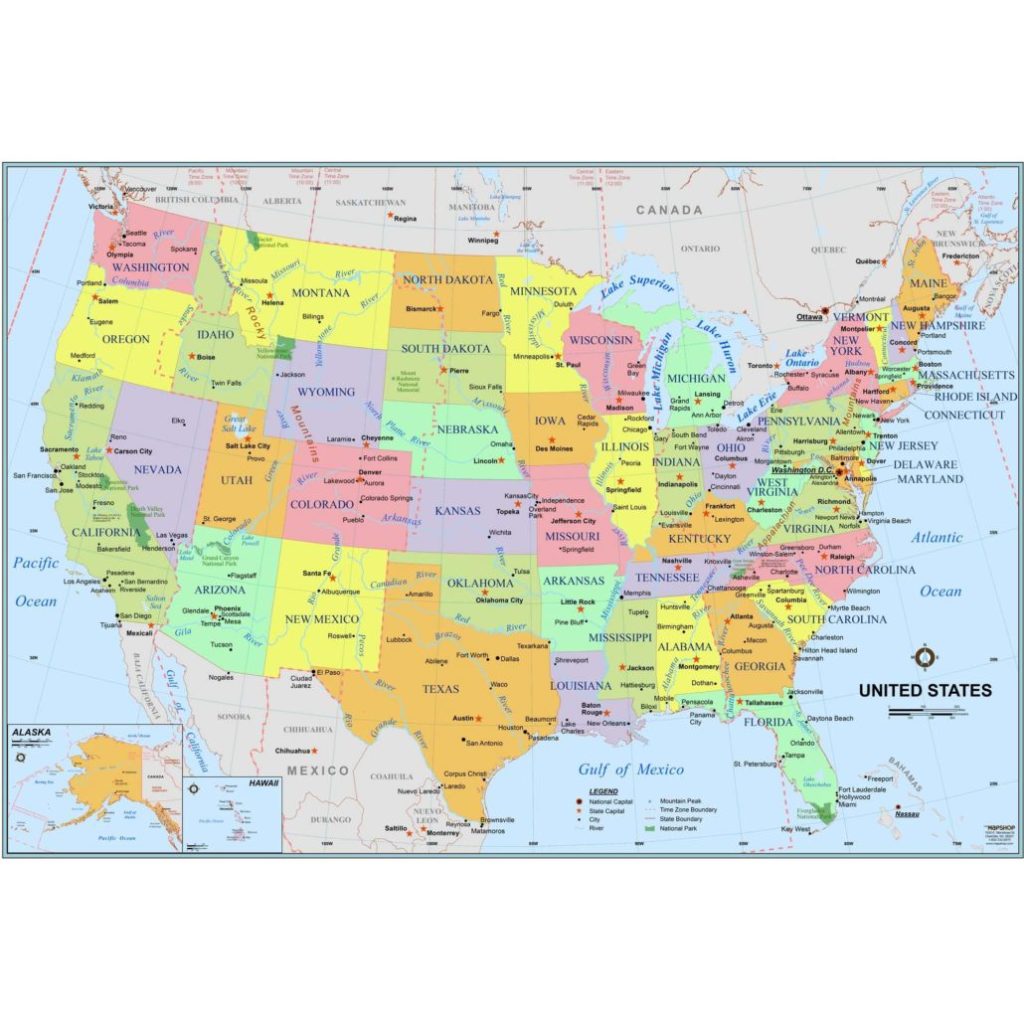
Oregon follows its own Kratom regulatory framework, while neighboring states may have different age requirements, statewide rules, and local restrictions. Here’s how they compare:
| State | Legality Status | Minimum Age | Regulatory Framework | Local Restrictions |
| Oregon | Legal | 21 | Kratom regulatory framework | None confirmed in the major Oregon cities reviewed |
| Washington | Legal at state level | None statewide | No statewide Kratom framework | Restrictions exist in Spokane and Spokane Valley |
| California | Kratom-derived products cannot currently be manufactured or sold | Not applicable statewide | State-level restrictions apply | Statewide restriction applies; earlier local restrictions also existed |
| Nevada | Legal | 18 | Kratom regulatory framework | None confirmed |
| Idaho | Legal | None statewide | No statewide Kratom framework | None confirmed |
💡 Know more about state-by-state legality for each state:
How Can You Check the Latest Oregon Kratom Laws?
Kratom law shifts fast across the country, so it is important to stay updated with the latest rules and regulations. Here’s how you can check:
Key Oregon Kratom Statutes to Check
- ORS 475.392–475.404 — Oregon Kratom Consumer Protection Act
- ORS 475.398 — Age requirement and penalty
- House Bill 2646 (2021) full text
- House Bill 4010 (2022) full text
- Oregon Department of Revenue Kratom processor rules
The Future of Kratom in Oregon
Oregon's framework is fairly settled for now, but that can change with any legislative session.
- As of 2026, there's no active bill in the Oregon Legislature proposing a ban or a rewrite of the existing Kratom Consumer Protection Act.
- Since Oregon already regulates Kratom through registration and testing rules rather than prohibition, most legislative attention nationally has shifted toward states without a KCPA-style law.
- Checking the Oregon State Legislature's bill tracker periodically is the most reliable way to catch any future changes early.
FAQs
Can You Order Kratom Online In Oregon?
Yes. Oregon residents can order Kratom products online, provided the seller follows the same registration and labeling rules that apply to in-state retailers.
Is Kratom Legal In Portland, Oregon?
Yes, Kratom is legal in Portland, Oregon. Local city and county authorities have not enacted any separate Kratom related bans. This means Portland strictly follows the standard statewide regulations.
💡 Know more on buying Kratom in Portland, Oregon.
Do Kratom Processors Have To Register In Oregon?
Yes. Processors must register with the Oregon Department of Revenue before selling, distributing, or exposing any Kratom product for sale.
Can I Fly Into Oregon With Kratom In My Luggage?
Yes. Oregon law does not prohibit bringing Kratom into the state in personal luggage. However, separate airline and federal rules can apply depending on the itinerary.
Can You Buy Kratom At Gas Stations And Convenience Stores In Oregon?
Yes, Kratom can be sold through retail businesses in Oregon, including convenience stores, provided the retailer follows applicable state requirements and the 21+ age restriction.
Disclaimer: This article is for general informational purposes only and does not constitute legal advice. Kratom laws and regulations may change at the state, local, or federal level. Always check current Oregon statutes, official agency guidance, and applicable local ordinances before making decisions related to Kratom purchase, sale, possession, or distribution.

 Is Kratom Legal In Oklahoma? Know the Updates!
 Is Kratom Legal in Pennsylvania? Know the Facts!