Indiana has some of the strictest Kratom laws in the United States. As of 2026, Kratom remains prohibited statewide under Indiana law, with Mitragynine specifically included in the state's statutory definition of a “synthetic drug.” Indiana has also addressed 7-Hydroxymitragynine within that same statutory framework.
While lawmakers have introduced legislation that would establish a regulated framework for Kratom products, those proposals have not replaced the current prohibition. This guide answers “Is Kratom legal in Indiana?” and explains the state's current Kratom laws, how they developed, what the prohibition covers, and where to check for future legal updates.
Table Of Contents
- Quick Answer: Is Kratom Legal in Indiana in 2026?
- Kratom Legality in Indiana at a Glance
- Current Legal Status of Kratom in Indiana
- The History of Kratom in Indiana
- What Does Indiana's Kratom Ban Cover?
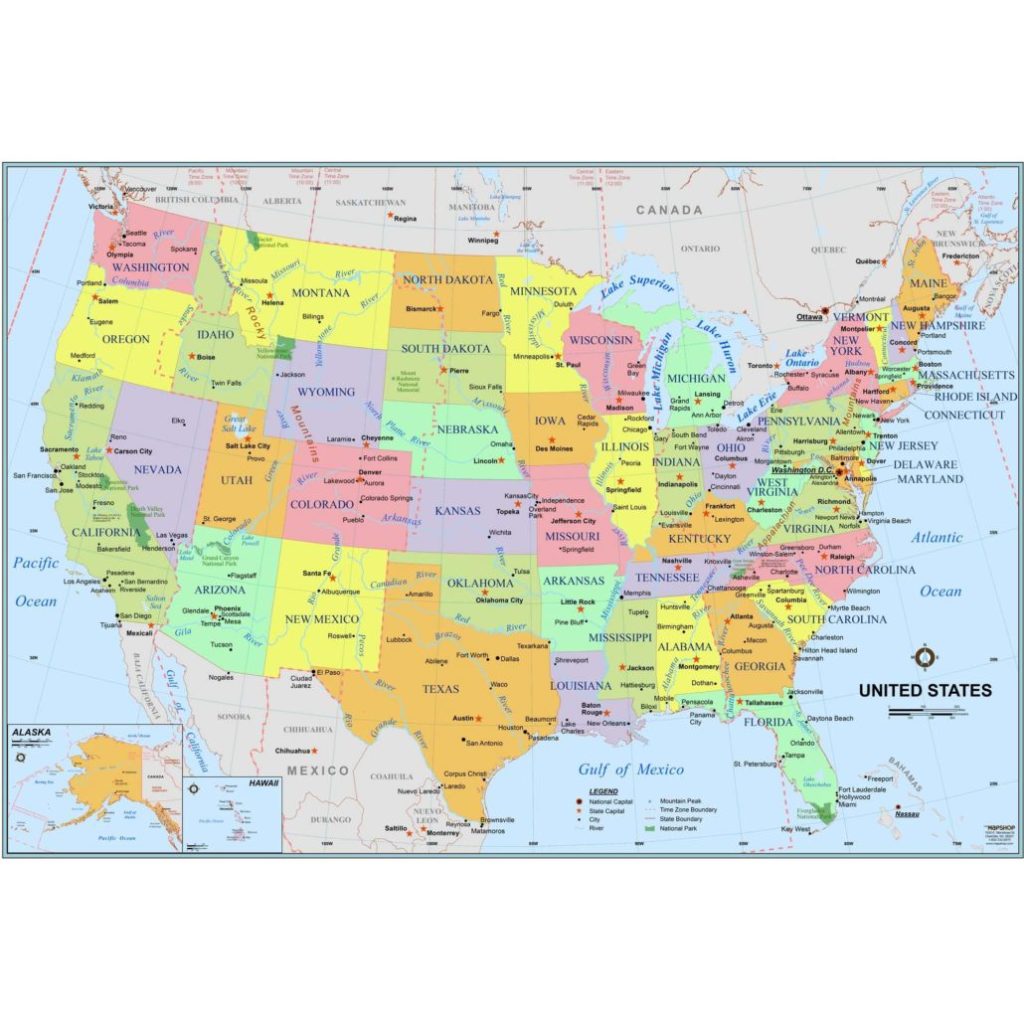
- How Does Indiana's Kratom Law Compare With Nearby States?
- How to Check the Latest Indiana Kratom Laws?
- Could Indiana Kratom Laws Change in the Future?
- FAQs
Quick Answer: Is Kratom Legal in Indiana in 2026?
No, Kratom is fully illegal in Indiana. The state treats it as a Schedule I controlled substance and it is completely illegal to possess, buy, sell, or distribute in Indiana.
Kratom Legality in Indiana at a Glance
Here is a quick overview of the key points covered by Indiana's current legal framework.
| Category | Status |
| 🚫 Overall legal status | Illegal statewide |
| 📜 Governing law | Indiana Code § 35-48-4 |
| 🧪 Classification | Schedule I controlled substance analog |
| 📅 Year restriction began | 2014 |
| ✋ Possession | Prohibited |
| 🏪 Retail sale | Prohibited |
| 📦 Online orders shipped to Indiana | Prohibited |
| 🔞 Age-based exception | None — Kratom itself is restricted |
| 🏛️ 2026 legislation | None currently pending |
| U.S. Federal status | Not a controlled substance under federal law |
Current Legal Status of Kratom in Indiana
Indiana maintains one of the strictest Kratom prohibitions in the country, having classified Kratom as a Schedule I substance analog since 2014.
How Indiana Law Classifies Mitragynine and 7-Hydroxymitragynine
Indiana Code § 35-48-4-0.5 sets out the statutory definition of a “controlled substance analog” and the conditions under which it is treated as a Schedule I substance.
Kratom's two primary alkaloids, Mitragynine and 7-Hydroxymitragynine, fall under this definition. Because of that classification:
- Possessing either alkaloid without authorization is treated as a Class A misdemeanor under § 35-48-4-7, with felony enhancement for larger quantities.
- Manufacturing, delivering, or financing the delivery of Kratom products is treated as dealing in a Schedule I substance under § 35-48-4-2, a Level 6 felony.
- The classification applies to the alkaloids themselves, not just one product form, which is why the restriction covers raw plant material as well as processed goods.
Does Indiana's Kratom Law Apply Statewide?
Yes. This is a state-level statute, not a local ordinance, so:
- No Indiana city or county can create an exception through local rule.
- The restriction applies the same way in Indianapolis as it does in a rural township.
- Crossing from a state where Kratom is legal into Indiana does not carry any grace period or transitional allowance.
The History of Kratom in Indiana
Understanding how Indiana got here explains why the law has stayed unchanged for over a decade.
When Did Indiana First Prohibit Kratom?
Indiana's Kratom restriction traces back to 2014, when Senate Bill 305 added Mitragynine and 7-Hydroxymitragynine to the state's list of Schedule I synthetic substances.
The bill passed before most states had begun drafting Kratom-specific policy, and it grouped Kratom's alkaloids with substances built primarily for illicit synthesis rather than a naturally occurring plant compound.
How Indiana’s Kratom Laws Have Changed Over Time?
Indiana’s Kratom laws have gone through several legislative stages over the years. The timeline below shows the key changes that shaped the state’s current legal position.
| Year | Legal Status | Key Action & Details |
| Pre-2012 | Legal | Unregulated sales: Kratom was widely available in smoke shops and online without restrictions. |
| 2012 | Restricted | Alkaloid ban: State legislation placed mitragynine within Indiana's synthetic-drug framework |
| 2014 | Banned | Schedule I status: State law updated to explicitly classify the natural plant as a Schedule I analog. |
| 2023 | Banned | HB 1500 failure: A legalization bill passed the House (53–40) but was blocked by the Senate. |
| 2024–2025 | Banned | Committee deadlocks: Newer regulation bills (like HB 1542) stalled and died without floor votes. |
| 2026 | Banned | Current status: Total prohibition remains under state law, carrying severe criminal penalties. |
What Does Indiana's Kratom Ban Cover?
The restriction is broad, covering the product at every stage from possession through sale, and across every physical form it comes in.
1. Kratom Product Form Restrictions
The Kratom format restriction covers:
- Raw material: Dried leaves, crushed leaves, and raw botanical powders.
- Capsules and tablets: Capsules and compressed tablets containing Kratom powder.
- Concentrates and extracts: Liquid concentrates, tinctures, and processed extracts.
- Ready-made drinks and infused goods: Finished liquid and infused Kratom products containing Kratom derivatives.
2. Possession and Transportation
- Carrying Kratom in any form, powder, capsule, leaf, or extract, meets the definition of possession under § 35-48-4-7.
- This applies whether the product is in a vehicle passing through the state or stored at a residence.
- Quantity matters for the severity of a charge but not for whether the conduct is restricted in the first place.
3. Retail Sales and Distribution
- Stores and gas stations cannot legally offer Kratom products for sale anywhere in Indiana.
- A person or business found offering, manufacturing, or distributing Kratom faces exposure under the state's dealing statute, § 35-48-4-2.
- There is no registration, license, or permit pathway that makes retail sale lawful under current law.
4. Online Orders and Shipments Into Indiana
- An online order is treated the same as an in-state sale once the product is shipped to an Indiana address, regardless of where the seller is located.
- Sellers and carriers who knowingly ship into Indiana carry legal exposure under the same statute that governs in-state distribution.
- The destination address, not the seller's home state, is what determines whether an order falls under Indiana's restriction.
How Does Indiana's Kratom Law Compare With Nearby States?
Indiana’s position stands out when compared with several neighboring states. The table below reflects statutes and legislative records available as of 2026.
| State | 2026 Position | How Does It Differ From Indiana? |
| Indiana | ❌ Statewide prohibition | Mitragynine and 7-hydroxymitragynine remain within Indiana’s statutory synthetic-drug framework. |
| Illinois | ✅ Permitted subject to current age restrictions | Illinois restricts purchase and possession by people under 18, with further proposals under review in 2026 |
| Ohio | ⚠️ Natural leaf exception with restrictions on specified related compounds | Ohio excludes mitragynine in natural Kratom leaf and ground leaf from certain Schedule I restrictions |
| Michigan | ⚠️ Major legislation pending in 2026 | Michigan is considering both regulatory and prohibition proposals in 2026 |
| Kentucky | ⚠️ State statutory restrictions | Kentucky has Kratom-specific provisions under KRS Chapter 217, including 2026 updates |
How to Check the Latest Indiana Kratom Laws?
Legislative status can shift year to year. Therefore it is important to stay updated with the current rules and regulations. Here’s how you can check:
- Indiana General Assembly bill tracker — search by session year for any newly introduced Kratom-related bill.
- Indiana Code, Title 35, Article 48 — the codified statute governing controlled substances.
- American Kratom Association legislative tracker — tracks state-by-state Kratom bills, including Indiana.
💡 Stay Updated! Oasis Kratom also maintains a broader 2026 state-by-state legality guide, which can help readers compare Indiana with other jurisdictions and follow changing state rules.
Could Indiana Kratom Laws Change in the Future?
Yes, Indiana's legal framework could change if the General Assembly enacts new legislation or amends the current statutes.
The most recent attempt to change Indiana's approach was House Bill 1542, introduced in the 2025 legislative session by Rep. Robert Morris and co-authored by Rep. Shane Lindauer.
The bill proposed a licensing and testing framework through the Indiana State Department of Agriculture, including:
- Mandatory registration for manufacturers, distributors, and sellers
- A minimum purchase age of 21
- Independent lab testing requirements for each product batch
- Labeling and marketing restrictions
- Civil and criminal penalties for violations of the new framework
FAQs
1. Can I Carry Kratom Through An Indiana Airport, Even During A Layover?
No. Airports fall under the same statewide restriction, so having Kratom in checked or carry-on luggage while in Indiana carries the same exposure as anywhere else in the state.
💡 Know more on: Can You Take Kratom On A Plane?
2. Will Kratom Show Up On A Standard Drug Test In Indiana?
Standard workplace panels typically don't screen for Kratom's alkaloids, but specialized or expanded panels can detect them if specifically included.
3. Can I Be Charged For Having Kratom In My Car While Passing Through Indiana?
Yes. Possession applies regardless of whether you're a resident, and there's no exception for products that are lawful in the state you departed from or are heading to.
4. Does Indiana Have A Kratom Consumer Protection Act?
No. Indiana has not enacted a statewide Kratom Consumer Protection Act. A 2025 proposal, House Bill 1542, would have created a regulatory framework, but the proposal did not become law.
5. Does Indiana's Restriction Apply To Kratom Tea Or Only To Extracts And Capsules?
The restriction applies to the alkaloids themselves, so it covers every product form, including raw leaf and tea preparations, not just processed extracts or capsules.
📜 Related reads:
- How Old Do You Have To Be To Buy Kratom? (2026 State Age Laws Guide)
- Is Kratom Legal in North Carolina? Laws, Age Limits, and Buying Guide
Disclaimer: This article is provided for general informational purposes only and does not constitute legal advice. Kratom laws and regulatory requirements can change, so always check the latest Indiana statutes, legislative records, and other official government sources for the most current information.

 Is Kratom Legal In Rhode Island?
 Kratom-K Vendor Review