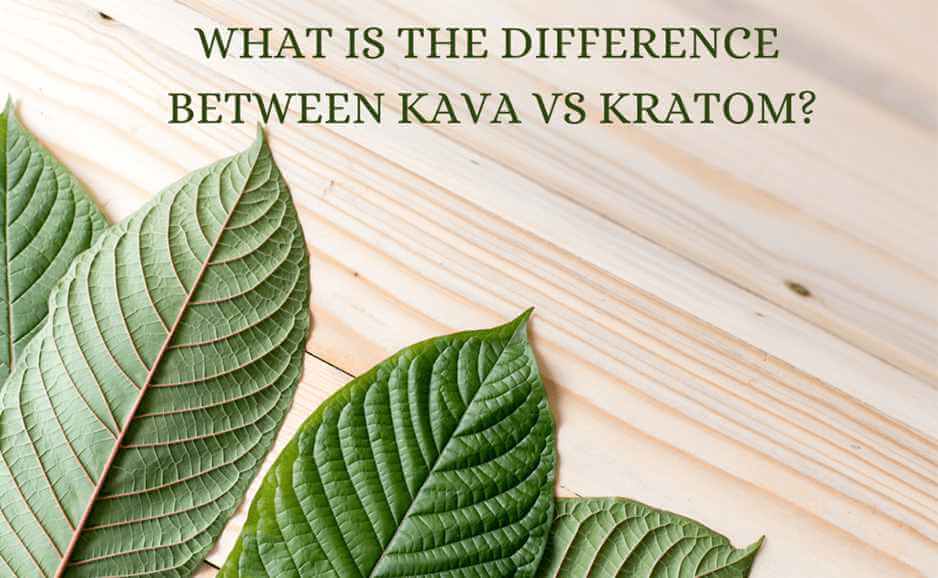
Kratom vs. Kava is a comparison that often comes up among botanical buyers researching plant-based products. Both are commonly sold side by side and discussed in similar contexts, even though they differ significantly in their origins, chemical compositions, and overall classifications.
This guide takes a clear, science-first approach by explaining where each plant comes from, identifying the key compounds they contain, and summarizing the current legal landscape surrounding both.
What Is Kratom?
Kratom is a tropical tree with the scientific name Mitragyna speciosa. It belongs to the coffee family — the same plant family as the coffee you brew every morning.
Kratom trees grow across Southeast Asia, primarily in Indonesia, Thailand, and Malaysia. The leaves of this tree are the part that has drawn global attention. These leaves contain over 40 active alkaloids. The two most studied are Mitragynine and 7-Hydroxymitragynine.
A Brief History of Kratom
Kratom has a long history in Southeast Asia. For generations, workers in the region relied on raw Kratom leaves during long days of physical labor, and the plant was also prepared as tea and included in traditional practices.
In recent decades, Kratom has expanded far beyond its native region. Today, it is widely recognized across the United States and Europe and is available in formats such as powder, capsules, extracts, and tea.
If you want to learn more, see our blog on Kratom History!
Kratom Strains
Kratom comes in several named strains. These strains are typically categorized by vein color: Red, Green, White, and Yellow. Each color is associated with different alkaloid profiles. Popular named strains include Maeng Da, Bali, Borneo, and Thai.
Want a comprehensive list of all the Kratom strains? Go ahead and check out our Kratom Strain Chart.
What Is Kava?
Kava, scientifically known as Piper methysticum, is a plant in the pepper family native to the South Pacific Islands, including Vanuatu, Fiji, Tonga, and Papua New Guinea.
Unlike Kratom, which is derived from the leaves of a tree, Kava is sourced from the plant’s root and is typically processed into a fine powder by drying and grinding.
Kava contains a group of active compounds known as Kavalactones, with researchers identifying around 18 distinct Kavalactones.
For a closer look at Kava’s active compounds, see our guide on Kavalactones.
A Brief History of Kava
Kava has been part of Pacific Island culture for at least 1,000 years. It plays a central role in ceremonies, community gatherings, and social rituals. Across Polynesia and Melanesia, sharing Kava is a sign of peace and community.
Today, Kava bars have opened in cities across the United States and Europe. The drink has found a modern audience looking for a non-alcoholic alternative for social settings.
Kava Varieties
Kava varieties fall into two main categories: Noble Kava and Non-Noble (or ‘Tudei’) Kava. Noble varieties, prepared from the root using water extraction, have a longer positive track record. Non-Noble varieties are generally considered less in demand and are avoided by reputable suppliers.
A Side-by-Side Kava and Kratom Comparison
Kratom vs Kava differs in plant type, origin, and active compounds. Kratom comes from a Southeast Asian tree and contains alkaloids, while Kava comes from a Pacific root and contains Kavalactones.
Here is a clear look at how these two botanicals differ across every major category:
| Feature | Kratom | Kava |
| Plant Family | Coffee family (Rubiaceae) | Pepper family (Piperaceae) |
| Scientific Name | Mitragyna speciosa | Piper methysticum |
| Plant Part | Leaves | Root |
| Origin | Southeast Asia (Thailand, Indonesia, Malaysia) | South Pacific Islands (Vanuatu, Fiji, Tonga) |
| Active Compounds | Mitragynine, 7-hydroxymitragynine (alkaloids) | Kavalactones (approx. 18 identified types) |
| Common Forms | Powder, capsules, extracts, tea | Powder, capsules, tinctures, and traditional drinks |
| Strain Varieties | Yes — Red, Green, White, Yellow; many named strains | Yes — Noble varieties vs. non-noble; regional types |
| Traditional Role | Labor endurance aid, a folk remedy in Southeast Asia | Ceremonial & social drink in Pacific Island cultures |
| Federal Legal Status (US) | Legal federally; banned in several states | Legal in all 50 states |
| FDA Classification | Not approved; not recognized as a dietary supplement | Sold as a dietary supplement; some advisory warnings |
Are Kratom and Kava the Same Thing?
No. Kratom and Kava are not the same thing. They are not related botanically. They come from different plant families and regions of the world, and contain different chemical compounds.
The confusion often starts because both are sold in similar places — Kava bars, botanical shops, and online wellness stores. Both come in powder form. Both have a long history in their native regions. But the similarities stop there.
Is Kava like Kratom? Only on the surface. The root chemistry, the plant family, and the legal status are all different.
Is Kava the same thing as Kratom? No. They are two distinct plants from two different parts of the world.
Kratom vs Kava: Origins and Cultural Background
Where Does Kratom Come From?
Kratom trees grow in the tropical rainforests of Southeast Asia. The primary growing regions today are Indonesia, particularly on the islands of Borneo and Sumatra, and Thailand and Malaysia.
In Thailand, Kratom was historically used by field workers. In more recent history, some Southeast Asian governments banned it — only to revisit those decisions as global interest grew. Thailand re-legalized Kratom in 2021 after decades of prohibition.
Where Does Kava Come From?
Kava is indigenous to the South Pacific. The plant thrives in volcanic soils across island nations like Vanuatu, Fiji, Tonga, and Samoa. Vanuatu is widely considered to produce some of the highest-quality Kava in the world.
Kava has never left the cultural mainstream in the Pacific. It remains central to formal ceremonies, political meetings, and community life in many island nations.
Legal Status: Kava vs Kratom
Kava Legal Status
Kava is legal across all 50 U.S. states. It is sold as a dietary supplement. The FDA has issued some advisory warnings, but Kava has never been banned at the federal level in the United States. Most of the concerns traced back to products made from non-root plant parts or products contaminated with mold.
Kratom Legal Status
Kratom’s legal status is more complex and continues to evolve rapidly.
At the federal level, Kratom is currently legal in the United States. The DEA has listed it as a Drug and Chemical of Concern, but has not scheduled it as a controlled substance. The FDA has not approved Kratom as a drug or as a dietary supplement.
At the state level, the picture is very different. As of 2026:
- Alabama, Arkansas, Indiana, Vermont, and Wisconsin have full statewide bans on Kratom.
- Louisiana banned Kratom effective August 2025.
- Rhode Island banned Kratom but passed a new law reversing the ban, effective April 2026.
- Washington, D.C., prohibits the sale of Kratom.
- Many other states have Kratom Consumer Protection Acts (KCPA) in place, which regulate age limits (often 21+), labeling requirements, and alkaloid content standards.
Because state laws are changing frequently, always check the current legal status in your state before purchasing Kratom.
Kratom vs Kava: Final Verdict
The answer depends entirely on what you’re looking for — and where you live.
If you’re in a state where Kratom is banned, that decision has already been made for you. If you’re in a KCPA state, you’ll need to buy from a compliant, lab-tested vendor.
If you’re interested in a botanical with a simpler legal landscape and a longer track record of regulatory acceptance, Kava is the simpler option. If you’re drawn to the specific alkaloid chemistry of Kratom and you’re in a legal state, Kratom from a verified, lab-tested vendor is the route to take.
In both cases, source quality matters. Lab-tested products from reputable vendors are the only way to know exactly what you’re getting.
Frequently Asked Questions
1. Is Kava similar to Kratom?
Only on the surface. Both are plant-based botanicals sold in powder form. Both have traditional roots in their home regions. But their plant chemistry, mechanisms of action, dependency profiles, and legal status differ. They are not interchangeable.
2. What’s the difference between Kava and Kratom?
The key differences come down to plant family, origin, active compounds, and legal status. Kratom contains alkaloids such as mitragynine and 7-hydroxymitragynine, while Kava contains Kavalactones. Kratom has a more complex and evolving legal landscape, with restrictions in some U.S. states, whereas Kava is legal in all 50 states and is commonly sold as a dietary supplement.
3. Can you find Kratom and Kava at the same store?
Yes. Many Kava bars, herbal shops, and online botanical vendors stock both. This side-by-side placement is part of why people often assume they’re related. They are not. They simply share a market.
Thinking about visiting a Kava and Kratom bar? Read our guide on what to expect in a Kava Kratom bar before you go.
4. Is Kava considered Kratom?
No, Kava is not considered Kratom. Kava (Piper methysticum) and Kratom (Mitragyna speciosa) are entirely different plants with distinct origins, plant parts, and chemical compounds, and they are classified separately in botanical and scientific contexts.
5. Do Kratom and Kava come from the same region?
No. Kratom is native to Southeast Asia, including countries like Indonesia, Thailand, and Malaysia, while Kava originates from the South Pacific Islands such as Vanuatu, Fiji, and Tonga. Their geographic separation is one of the clearest differences between Kava and Kratom you can see.
6. Are Kratom and Kava regulated the same way in the U.S.?
No. Kava is generally sold as a dietary supplement, although it has faced regulatory scrutiny in the past. Kratom is not approved as a dietary supplement or drug by the FDA and is regulated differently depending on the state.
7. Is Kava legal everywhere Kratom is banned?
In many cases, yes. Kava is legal across all 50 U.S. states, while Kratom faces state-level bans in several regions. However, laws can change, so it is important to check current local regulations before purchasing either product.
If you are exploring local options, you can also check our guide on where to buy Kava and Kratom near you.
Disclaimer:
This content is for informational purposes only and not medical or legal advice. Kratom (Mitragyna speciosa) and Kava (Piper methysticum) are not approved by the U.S. FDA.
Laws vary by location—check local regulations before purchasing.

 Opms Kratom Review
 What Is Green Malay Kratom? The Complete Guide