Red Bali Kratom is a well-known red-veined strain commonly associated with Indonesian sourcing and longstanding trade names. It is often used as a reference point when comparing other red varieties because of its broad recognition, consistent market presence, and clear place within Red Kratom discussions.
Although the name suggests a single origin, Red Bali is generally associated with multiple Indonesian growing regions rather than one fixed location. Looking at its background, alkaloid profile, and comparison with other red strains helps explain why it continues to stand out.
What Is Red Bali Kratom?
Red Bali Kratom is a variety of Kratom commonly associated with the Bali region and surrounding areas in Indonesia. The term “red” refers to the color of the veins in the Kratom leaves at the time they are harvested—a classification widely used in the Kratom industry to distinguish between different types.
Red Bali Kratom is primarily identified by its regional connection and the traditional methods used in its collection and preparation for the marketplace.
Growing Regions & Environmental Factors
Red Bali Kratom is linked to several provinces in Indonesia, particularly those close to Bali itself, as well as to nearby islands such as Sumatra and Borneo, where Kratom cultivation is well established. These regions share a tropical climate characterized by consistently warm temperatures, high humidity, and abundant rainfall throughout most of the year.
Soils in these areas are typically rich in plant matter and nutrients, resulting from the natural decomposition of plant material in dense forest environments. Such soil conditions support healthy Kratom tree growth. Additionally, the presence of river systems and seasonal flooding helps to replenish soil minerals and maintain soil moisture, both of which are essential for the robust development of Kratom trees.
Traditional cultivation practices, often passed down through generations, play a role in how Kratom is harvested and prepared for distribution. The combination of climate, geography, and local expertise forms the foundation for Red Bali Kratom production.
👉 Read all about the Bali Kratom strains
Alkaloid Profile Of Red Bali Kratom
- Red Bali Kratom, like all varieties of Kratom, contains a diverse range of naturally occurring alkaloids that are characteristic of the Mitragyna speciosa species.
- The specific alkaloid composition of Red Bali Kratom can vary depending on several factors, including:
- The region where the trees are grown
- The age of the leaves at harvest
- Local agricultural practices
- Among the many alkaloids present, Mitragynine and 7-Hydroxymitragynine are typically found in notable quantities.
- Other alkaloids found in Red Bali Kratom include Speciogynine, Paynantheine, and Mitraphylline.
- The exact ratios and concentrations of these alkaloids may differ from batch to batch due to environmental factors and seasonal variations.
- Red Bali Kratom’s alkaloid profile is shaped by the interplay of climate, soil conditions, and traditional harvesting methods in the regions where it is cultivated.
- For those interested in the technical composition of Red Bali Kratom, reputable vendors may provide laboratory analyses that detail the alkaloid content of specific batches.
👉 Know more about Kratom alkaloids
Why Is Red Bali Kratom Widely Recognized?
Red Bali Kratom is one of the most well-known varieties in the Kratom marketplace. Its widespread recognition stems from several key factors related to sourcing, distribution, and market presence.
Consistent Availability:
Red Bali Kratom is often produced in larger volumes than some other regional varieties, making it widely available from many vendors.
Established Distribution Networks:
The regions associated with Red Bali Kratom have longstanding logistics and export channels, supporting its steady presence in the international market.
Broad Market Representation:
Red Bali Kratom is available widely, both online and in specialty shops, which contributes to its visibility.
Clear Regional Branding:
The use of the “Bali” designation in naming helps differentiate this variety and makes it easy to identify within product listings.
Supplier Familiarity:
Producers and vendors are well-acquainted with the cultivation and preparation of Red Bali Kratom, allowing for reliable sourcing and consistent quality.
These factors together have made Red Bali Kratom a staple name in discussions about different Kratom varieties.
Red Bali Kratom vs Other Red Strains
Red Bali Kratom is frequently compared to other best Red Kratom varieties in the Kratom market. While all red strains share the “red” classification due to the color of their leaf veins at harvest, each is associated with a different region and set of production practices.
These differences influence how vendors source, label, and distribute the strains.
Red Bali Kratom vs Red Maeng Da
Red Bali Kratom and Red Maeng Da are two of the most recognizable Red Kratom varieties, each with distinct regional associations and sourcing histories. Red Bali is typically associated with the Bali region of Indonesia, whereas Red Maeng Da is often linked to selective cultivation methods in Indonesia or Thailand.
Their popularity and market presence reflect both their established supply chains and frequent vendor offerings.
| Features | Red Bali Kratom | Red Maeng Da Kratom |
| Regional Association | Bali/ Indonesia | Indonesia/ Thailand |
| Harvesting Practices | Traditional, large-scale | Selective breeding/ cultivation |
| Naming Origin | Geographic (Bali) | Traditional naming (Maeng Da) |
| Market Availability | Widely available | Widely available |
👉 Also, read our comprehensive guide on Red Maeng Da vs Red Bali Kratom
Red Bali Kratom vs Red Sumatra Kratom
Red Bali Kratom and Red Sumatra Kratom both originate from Indonesia but are linked to different islands and growing regions. Red Sumatra is associated with the Sumatra region, which has its own unique agricultural traditions. Both strains are widely available on the market, but their marketing origins and supply routes may differ.
| Features | Red Bali Kratom | Red Sumatra Kratom |
| Regional Association | Bali/ Indonesia | Sumatra/ Indonesia |
| Harvesting Practices | Traditional, large-scale | Traditional, regional |
| Naming Origin | Geographic (Bali) | Geographic (Sumatra) |
| Market Availability | Widely available | Moderately available |
| 🆚📖 Looking for more comparison guides related to Red Bali? Check these out: |
Final Thoughts
Red Bali Kratom remains a consistently recognized strain in the Kratom marketplace, known for its established sourcing, regional branding, and steady market presence. Its origins across various Indonesian regions and traditional cultivation practices highlight the influence of environment and expertise in its production. As a staple among Red Kratom varieties, Red Bali serves as a reference point for understanding regional differences and supply chain transparency in the Kratom industry.
| Need to try other Bali strains? Check our lineup: |
FAQs
1. Why is Red Bali Kratom called “Bali” if it is grown in multiple regions?
The name comes from historical trade routes where Kratom was distributed internationally through Bali ports, not from exclusive cultivation there.
2. How is Red Bali Kratom classified?
It is classified as a traditional red strain within Indonesian Kratom varieties.
3. Is Red Bali Kratom tied to one specific region?
No. It is associated with multiple Indonesian growing regions rather than a single location.
4. What forms does Red Bali Kratom come in?
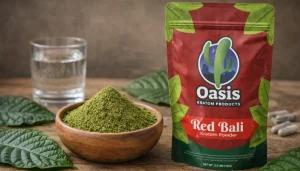
Red Bali Kratom is typically available as a finely milled powder. Some vendors, like Oasis Kratom, may also offer it in capsule form.
Shop Red Bali Kratom Powder | Shop Red Bali Capsules
5. What packaging is commonly used for Red Bali Kratom?
It is commonly packaged in sealed, airtight pouches or containers to help maintain freshness during storage and shipping.
6. Does the location of cultivation affect the characteristics of Red Bali Kratom?
Yes, factors such as soil composition, climate, and regional agricultural practices can influence the final characteristics of Red Bali Kratom batches.
7. Is Red Bali Kratom legal in the US?
Red Bali Kratom is not classified as a controlled substance at the federal level in the United States, but its legal status can vary depending on where you live. While agencies like the U.S. Food and Drug Administration have not approved Kratom, it remains legal federally, with certain states and jurisdictions placing restrictions or bans on it.
Laws continue to evolve, so it is important to stay informed. In the meantime, you should always verify if Red Bali Kratom is legal in your specific area before purchasing, and our guide on Kratom legality can help you.
Disclaimer: The information provided in this article is for educational and informational purposes only. Kratom regulations differ depending on your location; please review your local laws before making any purchase. This article does not provide legal, medical, or professional advice.

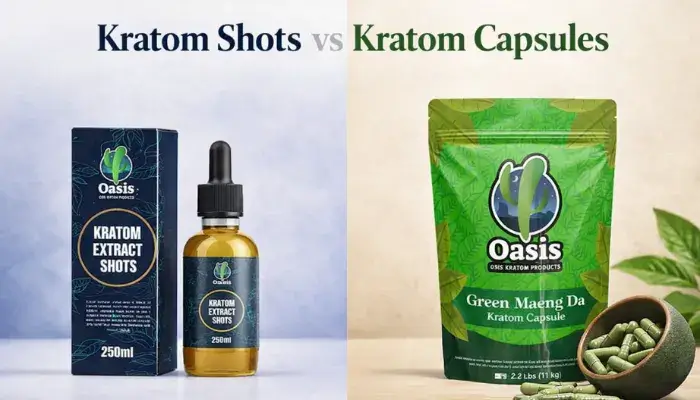 Kratom Shots vs Capsules: What’s the Difference?
 How To Choose A Reputable Kratom Vendor: 10 Quality Signals To Look For