Red Horn Kratom stands out as one of the more distinctive names in the broader Kratom category, mainly because of its unusual horn-shaped leaves and specialized cultivation background. Unlike standard Red strains, this variety is often recognized for its unique leaf structure and traditional processing techniques.
But its rarity has also made it a frequent topic in strain discussions across online Kratom communities. Understanding where Red Horn Kratom comes from, how it is processed, and what sets it apart from other Red varieties helps clarify why this strain continues to attract attention.
Table Of Contents:
- What Is Red Horn Kratom?
- Why Is Red Horn Kratom Considered Rare?
- Harvesting And Processing Of Red Horn Kratom
- Alkaloids Found In Red Horn Kratom
- Red Horn Kratom vs Other Horn Kratom Varieties
- Key Differences Between Red Horn Kratom And Other Red Strains
- Green Flags To Look For When Buying Red Horn Kratom
- Key Questions About Red Horn Kratom
- Red Horn Kratom: Final Strain Highlights
What Is Red Horn Kratom?
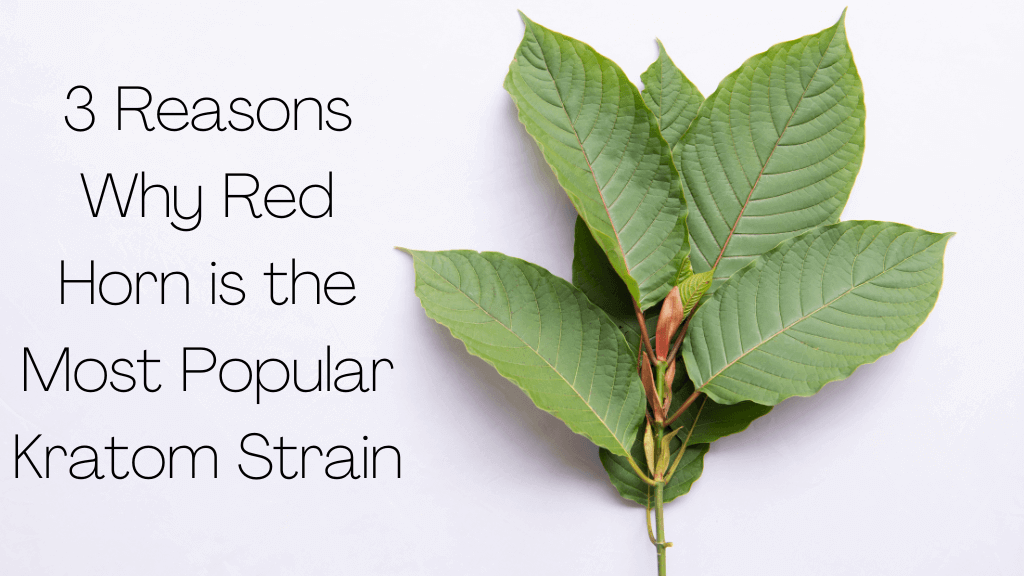
Red Horn Kratom is a rare Kratom strain from the Mitragyna speciosa tree, mainly found in Southeast Asia. The strain gets its name from the naturally jagged, horn-like edges of its leaves and its classification as a red-veined Kratom variety.
Red Horn Kratom stands out because of its distinct leaf shape and limited availability compared to many other Kratom strains. Its unusual appearance has helped it gain recognition among buyers looking for less common Kratom varieties.
Why Is Red Horn Kratom Considered Rare?
Several factors contribute to Red Horn Kratom's unique characteristics. Let’s take a look at what makes it stand out among other rare Kratom strains:
⭐ Specific Growing Region
- Red Horn Kratom comes from the Mitragyna Speciosa tree, a tropical tree native to Southeast Asia.
- This strain is commonly associated with Borneo, Indonesia, particularly along the banks of the Kapuas River.
- Its regional identity makes it less common than broad red Kratom varieties that appear across wider growing areas.
⭐ Uncommon Horned Leaf Shape
- The “Horn” name comes from the naturally jagged, pointed edges on the leaves.
- Growers believe these signature edges contain a distinct, more concentrated profile of alkaloids than standard flat leaves.
⭐ Smaller Natural Supply
- Red Horn Kratom is not collected in the same volume as more common strains like Red Bali or Red Borneo.
- Its lower availability contributes to its reputation as a rarer Kratom variety.
Harvesting And Processing Of Red Horn Kratom
The harvesting and processing of Red Horn Kratom involve multiple careful steps that help preserve its distinctive horned-leaf characteristics and red-strain classification.
Careful Leaf Selection
The process starts with selecting leaves that show the horn-like edges and red color of the veins. Since the strain is known for its leaf shape, smoother leaves are separated from the selected horned leaves.
Manual Sorting After Collection
After the leaves are collected, they are checked again to keep the batch consistent. This extra sorting step helps maintain the Red Horn Kratom identity before drying begins.
Indoor Fermentation-Style Drying
After harvesting, the leaves are usually placed indoors in low-light, controlled-humidity conditions for an extended drying period. During this stage, the leaves may be stacked or stored in enclosed spaces to allow mild oxidation and fermentation changes before the final drying process begins.
Brief Outdoor UV Exposure
After indoor drying, the leaves undergo a brief outdoor UV exposure. Timing, airflow, and moisture control matter here because uneven handling can reduce the final amount of finished Red Horn Kratom.
Alkaloids Found In Red Horn Kratom
Red Horn Kratom has Mitragynine as a primary alkaloid, which is present in all Kratom varieties. It also contains trace alkaloids such as Paynantheine, Speciogynine, and Speciociliatine. Its alkaloid makeup is different from many common Kratom strains because Red Horn Kratom is tied to a more specific leaf shape, red color category, and careful post-harvest handling.
💡 Factors That Shape Its Alkaloid Profile
- Leaf maturity: Mature leaves can influence the final alkaloid balance.
- Horned leaf selection: The jagged, horn-like leaves help define the strain’s identity.
- Growing region: Rainforest conditions, soil, and humidity can affect the leaf composition.
- Drying method: Indoor drying and brief UV exposure can influence the final profile.
- Post-harvest handling: Sorting, drying time, and moisture control help maintain consistency.
Red Horn Kratom vs Other Horn Kratom Varieties
Although all Horn Kratom varieties share the distinctive horn-shaped leaf structure, their classification, drying methods, and alkaloid composition differ among the red, green, and white categories.
| Comparison Basis | Red Horn Kratom | Green Horn Kratom | White Horn Kratom |
| Color Category | Red color category, connected with mature red-veined leaves | Green color category, connected with mid-stage green-veined leaves | The white color category, connected with earlier-stage white-veined leaves |
| Primary Drying Method | Indoor fermentation-style drying followed by brief outdoor UV exposure | Indoor or shaded drying with controlled airflow | Faster indoor drying with lighter fermentation and limited outdoor exposure |
| Alkaloid Makeup | High alkaloid profile, with elevated levels of 7-OH | Balanced alkaloid profile with both Mitragynine and 7-OH | Moderate alkaloid profile, with Mitragynine as the main alkaloid and other trace alkaloids |
⭐ Read this next and compare all the Horn Kratom varieties:
Key Differences Between Red Horn Kratom And Other Red Strains
Let’s take you through some key distinct features that set the Red Horned variety apart from widely available Red varieties:
| Comparison Basis | Red Horn Kratom | Red Bali Kratom | Red Dragon Kratom | Red Thai Kratom |
| Leaf Structure | Known for jagged, horn-like leaf edges | Broad mature leaves | Standard red-veined leaves often used in blended batches | Traditional mature leaves linked with Thai-origin strains |
| Availability | Less commonly available | One of the most widely sold Red strains | Usually available through specialty vendors | Commonly sold in regional and online Kratom markets |
| Processing Style | Often connected with indoor fermentation-style drying | Typically sun-dried after the indoor oxidation stages | May combine multiple red processing batches | Usually processed through traditional Red Kratom drying methods |
| Regional Association | Linked with Borneo-grown horned leaves | Commonly sourced from Indonesia despite the Bali name | Often associated with blended Indonesian Red strains | Connected with Thailand-origin strain naming |
⭐ Read these related strain guides before you shop any Red Kratom strain:
Green Flags To Look For When Buying Red Horn Kratom
Before purchasing this rare strain, checking a few simple product and vendor details can help verify authenticity and product transparency. Below are some green flags that you should check out before buying the Red Horn Kratom strain:
✔️ Clear strain identification: Product labels should specifically mention Red Horn Kratom instead of using only broad terms like “Red Kratom” or generic red categories.
✔️ Lab testing availability: Reliable products generally include third-party lab testing reports that verify alkaloid content and screening standards.
✔️ Detailed product information: Check whether the product page includes harvest details, processing methods, batch information, and available forms such as powder or capsules.
✔️ Proper packaging standards: Sealed, clearly labeled packaging with manufacturing or batch details helps maintain product consistency and traceability.
✔️ Transparent vendor standards: Established vendors often provide sourcing details and are in compliance with the American Kratom Association and GMP qualification standards. This reflects better transparency regarding product processing, testing practices, and overall product quality.
| ⭐ Oasis Kratom makes the buying process easier by offering clear product information, third-party lab testing details, secure packaging, and dependable customer support. Flexible shipping and return policies also help shoppers place orders with more confidence. |
Key Questions About Red Horn Kratom
1. Red Horn vs Red Maeng Da: How Are They Different?
Red Horn Kratom is identified by its horn-shaped leaf edges and specialized leaf selection, while Red Maeng Da Kratom is commonly associated with grafted cultivation and broader commercial production.
2. Which Product Forms Are Commonly Available In Red Horn Kratom?
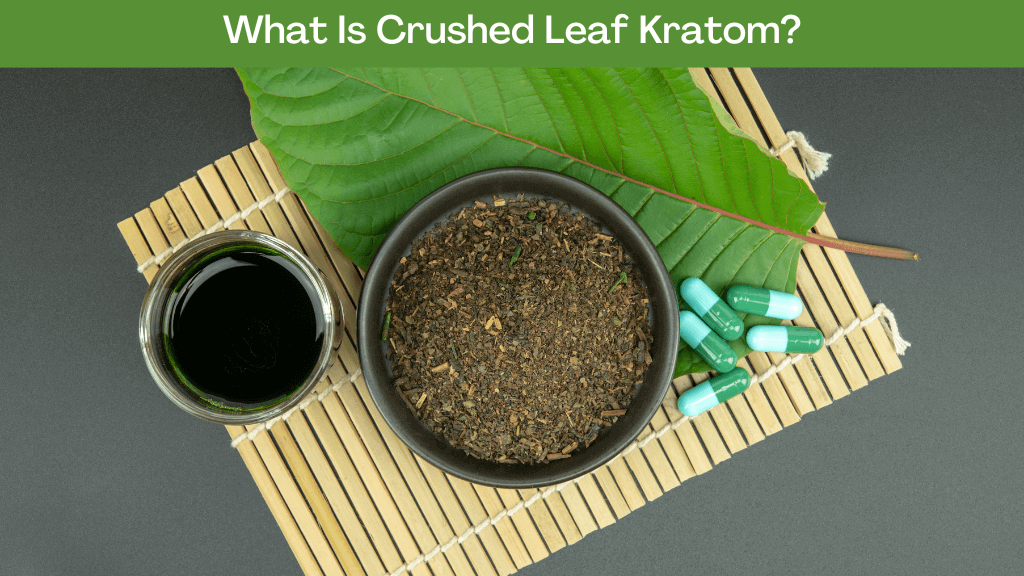
It is commonly available in Red Horn Kratom powder and capsule formats. You can choose the format that is readily available near you and suits you best.
3. Does Red Horn Kratom Need Special Storage Conditions?
Red Horn Kratom does not need special storage, but it should be kept in a sealed package, away from heat, moisture, and direct sunlight to maintain product consistency.
Read More: How To Store Kratom Properly?
4. Is Red Horn Kratom Legal In Your Area?
Red Horn Kratom legality depends on local and regional regulations, so checking current Kratom laws in your state or country is important before purchasing.
Learn More: Is Kratom Legal In My State?
Red Horn Kratom: Final Strain Highlights
- Red Horn Kratom is known for its horn-shaped leaves, red color, and rare market presence.
- Its identity comes from a mix of specific growing conditions, selective leaf formation, and careful processing.
- Compared with other Horn and red Kratom varieties, it stands apart because its name is based on leaf structure rather than just region or color.
- Before buying Red Horn Kratom, checking strain details, lab reports, product information, packaging, and vendor transparency can help make a more informed choice.
Disclaimer: This article is for informational and educational purposes only. It is not intended to provide medical, legal, or professional advice. Kratom laws can differ by state, city, county, or country, so always review current local regulations before purchasing Red Horn Kratom. Product details, lab reports, and packaging information should be checked directly on the seller’s website before making any purchase decision.

 What Is Crushed Leaf Kratom?
 Green Hulu Kapuas Kratom: Origins and What Makes It Distinctive