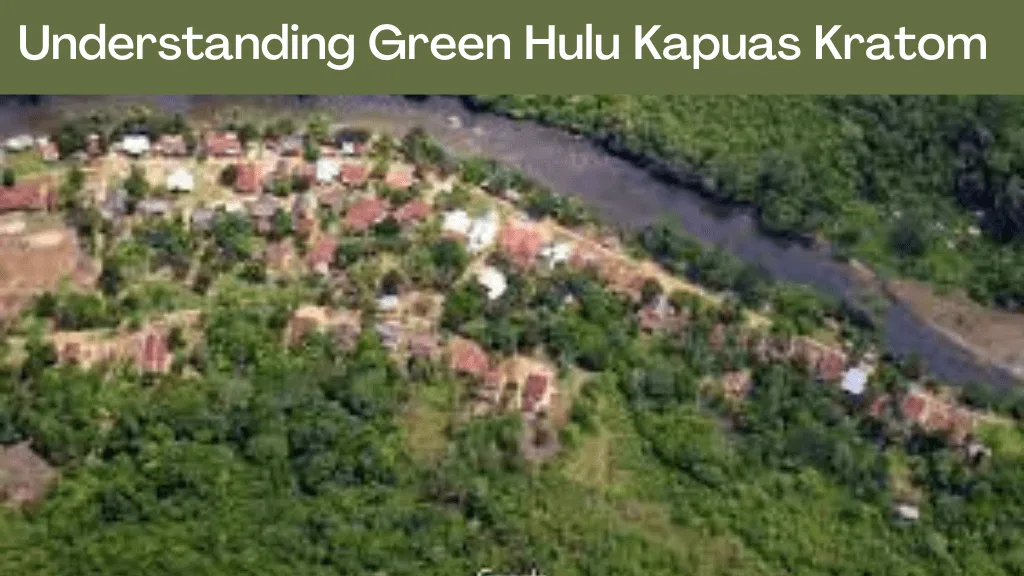
Green Hulu Kapuas Kratom is named after the region it grows in — the Hulu Forest along the Kapuas River in West Kalimantan, Indonesia. That’s not just a fun fact. The region is remote, and the growing conditions are specific, both of which directly shape what makes this strain different from other Green Kratom.
Here’s a full breakdown.
Table Of Contents
- What Is Green Hulu Kapuas Kratom?
- The Kapuas River Region of Borneo
- Alkaloid Profile Of Green Hulu Kapuas Kratom
- Green Hulu Kapuas vs Other Green Strains
- The Hulu Kapuas Family: Green vs White vs Red
- What Makes It Genuinely Rare (and What Doesn’t)
- How Oasis Kratom Sources Green Hulu Kapuas
- FAQs
What Is Green Hulu Kapuas Kratom?
Green Hulu Kapuas is a Green Kratom strain harvested from the Hulu Forest along the Kapuas River in West Kalimantan, Indonesia.
The name breaks down simply:
| Name Component | What It Refers To |
| Green | Vein color at harvest — mid-maturity leaves |
| Hulu | The Hulu Forest — a remote jungle region in West Kalimantan |
| Kapuas | The Kapuas River — Indonesia’s longest river (~1,143 km / 710 miles) |
The Kapuas River Region of Borneo
Green Hulu Kapuas grows in one of the most ecologically distinct corners of Southeast Asia.
Where exactly:
- Island: Borneo (the world’s third-largest island)
- Province: West Kalimantan (Kalimantan Barat), Indonesia
- Administrative region: Kapuas Hulu Regency (Kabupaten Kapuas Hulu)
- River basin size: ~98,000 sq km — larger than the state of Indiana
Key geographic facts at a glance:
| Feature | Detail |
| River Length | ~1,143 km — the longest river in Indonesia |
| Forest Type | Old-growth tropical rainforest with riparian (riverbank) zones |
| Annual Rainfall | 2,000–4,000 mm per year |
| Proximity to the Equator | 0–2° North latitude |
| Protected Adjacent Land | Betung Kerihun National Park — one of the largest rainforest reserves in Southeast Asia |
The Kapuas Hulu Regency sits deep in the interior of Borneo. No major highways cut through the Hulu Forest. The primary access route? The river itself.
That isolation is part of why this region has stayed largely untouched by industrial agriculture, and why the Kratom that grows here has a distinct ecological character.
What Makes This Region Rare?
A lot of Kratom comes from Borneo. Green Borneo, Red Borneo, and Green Kali all originate from the same island. So what actually makes the Kapuas River region different?
Three things: soil, climate, and canopy.
🌊 Riverbank Soil Chemistry
Kratom trees along the Kapuas riverbanks grow in alluvial soil — mineral-rich sediment continuously deposited by the river from upstream. That means:
- High plant matter from decomposing old-growth forest material
- Trace minerals replenished by seasonal flooding
- Surface drainage balanced with deep root moisture retention
This nutrient density directly supports alkaloid development in Mitragyna speciosa leaves.
🌧️ Year-Round Equatorial Rainfall
At 0–2° from the equator, the Kapuas Hulu region has no true dry season.
- Average: 200–300 mm of rainfall per month
- Result: near-constant photosynthesis conditions, minimal seasonal stress on the trees
- For Kratom: continuous leaf production without the alkaloid disruption that drought cycles can cause in other growing regions
🌿 Old-Growth Forest Canopy
The Hulu Forest is one of the last large tracts of intact old-growth rainforest in Indonesian Borneo. Kratom trees here grow under a layered canopy that:
- Filters direct sunlight to optimal intensity
- Maintains high ambient humidity
- Sustains complex soil fungal networks that support nutrient uptake
This is meaningfully different from cleared or replanted farmland — and it shows in the quality of leaves harvested here.
🚣 Harvesting Conditions Add Genuine Rarity
Getting to these trees is not easy:
- Accessible primarily by river boat — no road access through the Hulu Forest interior
- Seasonal flooding restricts harvest windows to specific periods of the year
- Riparian zones are narrow by nature — you can’t simply expand growing land without moving away from the riverbank conditions that define the strain
- Each tree requires a minimum of 1 year to reach leaf maturity; 5+ years for peak alkaloid development
Local Dayak farming communities have cultivated knowledge of this forest across generations. Their traditional harvesting methods are a key reason the strain retains consistency.
Alkaloid Profile Of Green Hulu Kapuas Kratom
Kratom’s character is primarily shaped by two alkaloids: Mitragynine and 7-Hydroxymitragynine. Vein color tells you where on the maturity curve those leaves were harvested — and that directly affects alkaloid ratios.
Vein Color = Leaf Maturity = Alkaloid Balance
| Vein Color | Leaf Maturity Stage | Mitragynine | 7-OH |
| White | Young/immature | Higher | Lower |
| Green | Mid-cycle/medium | Balanced | Balanced |
| Red | Mature/late-cycle | Lower | Higher |
Minor Alkaloids Matter Too
Researchers have identified over 40 alkaloids in Mitragyna speciosa leaves. The minor ones vary by growing region and soil composition. Key ones found in Green Kratom include:
- Paynantheine — second most abundant after mitragynine in most green strains
- Speciogynine — present at moderate levels in green varieties
- Speciociliatine — a minor alkaloid present across most strains
- Corynantheidine — a trace alkaloid that shifts based on soil mineral content
The Kapuas riverbank’s specific soil chemistry influences the ratio of these minor alkaloids, giving Green Hulu Kapuas a subtly distinct alkaloid blueprint compared to green strains from drier, inland growing zones.
Green Hulu Kapuas vs Other Green Strains
Here’s how it stacks up against the green strains you’re most likely to encounter:
| Strain | Origin | Growing Environment | What Sets It Apart |
| Green Hulu Kapuas | Kapuas River, West Kalimantan, Borneo | Riparian riverbank, old-growth forest | Geo-specific; alluvial soil; river access only |
| Green Borneo | General Borneo (Kalimantan) | Broad mixed forest | Same island, less defined sub-region |
| Green Malay | Malaysia (various) | Highland & lowland tropical forest | Different soil; higher elevation in some areas |
| Green Indo | Various Indonesian islands | Wide range of conditions | Broad category; less geo-specific |
| Green Maeng Da | Thailand / Indonesia | Selectively cultivated | Higher mitragynine; cultivar-influenced |
| Green Vietnam | Mekong River region | Riverside and floodplain | Riparian similarities; different watershed |
The three things that consistently distinguish Green Hulu Kapuas:
- One of the few green strains tied to a specific, named, verifiable geographic sub-region
- Riparian growing conditions (riverbank, flood-influenced alluvial soil) are shared by very few other named strains
- Limited land availability by geography; the narrow riverbanks can’t be expanded the way inland farms can
The Hulu Kapuas Family: Green vs White vs Red
Green Hulu Kapuas is one of three strains from the same forest — all from the same trees, harvested at different stages of leaf maturity.
Red Hulu Kapuas
- Harvested from fully mature, dark-veined leaves
- Higher 7-hydroxymitragynine relative to mitragynine
- The most potent among the three
White Hulu Kapuas
- Harvested from young, immature leaves
- Higher mitragynine, lower 7-OH
- Rarest of the three — shorter harvest window, fewer young leaves per tree
Green Hulu Kapuas
- Mid-cycle maturity — the balanced middle ground
- Most widely available within the Hulu family
- Still rarer than most standard green strains
Read More: Red vs Green vs White Kratom: Key Differences
A note from Oasis Kratom:
All Hulu Kapuas Kratom strains are available in powder form at Oasis Kratom, making it easy for you to buy them all in one place:
White Hulu Kapuas Kratom
Red Hulu Kapuas Kratom
Green Hulu Kapuas Kratom
What Makes It Genuinely Rare (and What Doesn’t)
“Rare” is one of the most abused words in Kratom marketing. Here are some factors that make Green Hulu Kapuas legitimately limited in supply:
✅ Geographic isolation: River-only access, no road infrastructure through the Hulu Forest interior
✅ Narrow riparian growing zones: Can’t expand land area without losing the defining soil conditions
✅ Flood-dependent harvest windows: The Kapuas River’s seasonal cycle limits when harvesting is possible
✅ Long tree maturation: 1 year minimum, 5+ years optimal; this isn’t a fast-turnaround crop
How Oasis Kratom Sources Green Hulu Kapuas
We’re members of the American Kratom Association (AKA) and operate under its Good Manufacturing Practice (GMP) program standards.
For a geo-specific strain like Green Hulu Kapuas, our sourcing process includes:
- Third-party lab testing: every batch is tested for alkaloid content, heavy metals, microbial contaminants, and adulterants
- Lot traceability: linking product back to specific harvests from verified West Kalimantan suppliers
- Direct supplier relationships: no anonymous middle-chain sourcing
FAQs
1. What does “Hulu Kapuas” actually mean?
“Hulu” is the name of the forest region in West Kalimantan, Indonesia. “Kapuas” refers to the Kapuas River, at ~1,143 km, Indonesia’s longest river. Together, the name pinpoints the exact growing region of the strain.
2. Is Green Hulu Kapuas the same as Green Borneo?
No, though both come from Borneo. Green Borneo is a broad category covering Kratom from across the island. Green Hulu Kapuas is geographically specific to the Kapuas River watershed and Hulu Forest — distinct soil, terrain, and climate conditions apply.
3. Why is it harder to find than strains like Green Maeng Da?
Green Maeng Da is sourced from larger, more accessible growing regions and often involves cultivated trees. Green Hulu Kapuas grows on riverbanks that are physically difficult to reach, with no large-scale farming infrastructure.
4. Does vein color actually mean anything?
Yes, it’s a real, observable botanical indicator of leaf maturity at harvest time. Green strains signal mid-cycle maturity, which corresponds to a more balanced Mitragynine-to-7-OH ratio. It’s not branding.
Learn More: Types Of Kratom Strains
5. Is Green Hulu Kapuas Kratom legal?
Kratom is federally legal in the United States, but several states and municipalities restrict it. As of 2026, Kratom is banned in Alabama, Arkansas, Indiana, Louisiana, Vermont, and Wisconsin, as well as in specific counties and cities elsewhere. Always check your local laws before purchasing.
Also Read: Is Kratom Legal?
6. Where can I buy Green Hulu Kapuas Kratom?
Oasis Kratom carries Green Hulu Kapuas in powder and capsule form. Every batch is third-party lab tested, and we source directly from verified suppliers in West Kalimantan. Look for AKA-GMP certified vendors who provide batch-level lab reports.
Read More: Oasis Kratom Is The Best Brand
Disclaimer:
These statements have not been evaluated by the Food and Drug Administration. This product is not intended to diagnose, treat, cure, or prevent any disease. Must be 21 years or older to purchase. Check your local and state regulations before purchasing Kratom products.

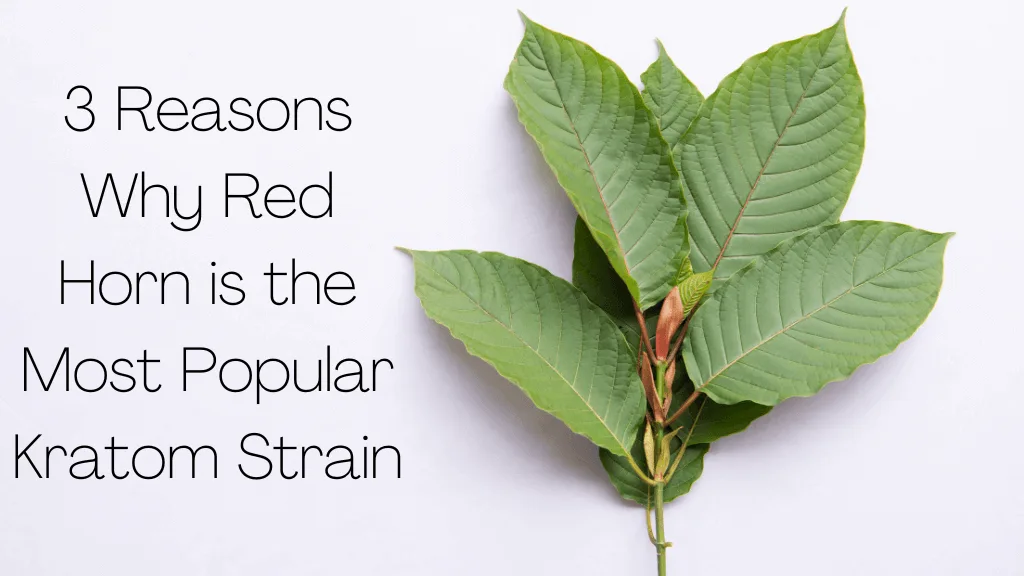 Red Horn Kratom: What Sets This Rare Strain Apart
 The Best Sumatra Kratom Strains 2025 Update