Kratom is often characterized by its vein color and where it originates. Green Malay Kratom vs Green Bali is an ongoing debate among fans. Our customers constantly ask which strains are the best, so we offer comparison guides to help you. This article will examine Green Malay and Bali to explore their similarities and differences.
Green Malay Kratom Vs Green Bali: Vein Colors
The Mitragyna speciosa tree, renowned for its impressive alkaloid profile, thrives in Southeast Asia. This tree grows along the river banks and deep in the forests of many Asian countries. As a member of the Rubiaceous family, the kratom plant’s alkaloids are responsible for its power levels.
The leaf has a central vein that runs through it, which will change color according to different periods of its life cycle. There are three primary colors: red, green, and white. The fourth color, yellow, does not occur naturally; it results from a technological drying process. The vein color is a good indication of the leaf’s maturity level. It will also reflect how potent the strain will be.
- White Vein Kratom – Most immature leaves
- Green Vein Kratom – Mid-life
- Red Vein Kratom – Mature
- Yellow Vein Kratom – Created through a technological drying method.
Naming Kratom
The strategy behind naming kratom is easy. It will bear its vein color and where it originates. So, Green Bali would come from green-veined kratom native to the Bali Islands.
However, it is essential to note that not all kratom strains follow this naming strategy. For example, Maeng Da is not a place. However, this strain is one of the most potent on the market, and its name translates to “pimp grade” in Thai. So, it is easy to see that this strain has an impressive alkaloid content.
What Is Green Malay?
Green Malay originates from Malaysia. Malaysia’s tropical climate, with high humidity and rich soil, is perfect for growing kratom. However, Malaysia prohibited it back in 1952. Since it is illegal here, and is no longer sourced from Malaysia.
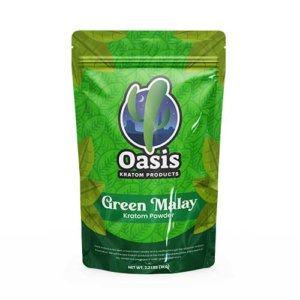
Green Malay is a popular strain that most vendors offer in powders, capsules, and extracts. It can be found online or in your local shops. Be sure to choose a dealer who offers lab testing on their products. This will ensure the quality and purity of your kratom.
Malay is also offered in red, white, and yellow vein colors. This allows you to choose the strength level of your Malay kratom.
WHAT IS GREEN BALI?
While Green Bali kratom originated from the Bali Islands, this is not the only place where this strain is grown. It is gathered in the neighboring Sumatra islands and is acclaimed for its high potency levels.
Bali is also presented in red, white, and yellow. So, you can choose your Bali strain’s maturity level and potency. Green Bali and Green Malay have a large percentage of mitragynine. This alkaloid is well known in the kratom world and provides high potency levels for various kratom strains.
Green Bali’s Alkaloid Profile Includes:
- Mitragynine
- 7-Hydroxymitragynine
- Speciogynine
- Paynantheine
- Speciociliatine
- Ajmalicine
- (C9) methoxy-oxindoles.
Green Malay Kratom vs Green Bali: How Do They Correspond?
Green Malay contains more mitragynine and 7-OH, whereas Green Bali is more speciogynine-dominant.
So, if you are looking for a potent strain, you may opt for Green Malay. If longevity is important, you should try Green Bali.
| Feature | Green Malay Kratom | Green Bali Kratom |
|---|---|---|
| Origin Region | Grown in Malaysia (originally from tropical rainforest regions with humid climate) | Native to Bali and Sumatra Islands of Indonesia with volcanic soil rich in minerals |
| Leaf Characteristics | Thick, dark-green leaves with a distinct oval shape and smooth edges | Slightly larger, lighter green leaves with more visible veins |
| Alkaloid Profile (Primary) | Higher ratio of mitragynine and 7-hydroxymitragynine | Contains speciogynine, paynantheine, and speciociliatine in notable levels |
| Common Product Forms | Powder, capsules, extracts, gummies | Powder, capsules, shots, and blends |
| Color of Powder | Deep green shade with dense consistency | Lighter green powder with a fluffier appearance |
| Harvest Stage | Mid-mature leaves hand-picked for balanced alkaloid development | Mid-mature to late leaves processed using traditional sun-drying methods |
| Drying & Processing Method | Shade-dried to retain chlorophyll and alkaloid stability | Typically sun-dried to develop a unique profile |
| Availability in the Market | Moderately rare and sourced through select vendors due to import restrictions | More commonly available globally and a staple in many Kratom blends |
| Typical Packaging | Airtight resealable bags and bottles to preserve freshness | Often sold in bulk pouches and capsule bottles |
Green Malay Kratom vs Green Bali: Which Is Best?
When it comes down to it, you have to go off your personal preference. There is no right or wrong in the world of kratom. Both strains have impressive alkaloid profiles and offer overall support.
Oasis Kratom
Discover various kratom powders and capsules at Oasis Kratom, where quality and purity are guaranteed through rigorous lab testing. If you need assistance browsing our website, contact our friendly team. Our helpful comparison provides valuable insights into the difference between Green Malay kratom vs Green Bali kratom.
Frequently Asked Questions:
Is Green Malay stronger than Green Bali?
Green Malay is often considered more potent due to its higher mitragynine content, while Green Bali offers a smoother, balanced profile.
Which is better for beginners — Green Malay or Green Bali?
Both are beginner-friendly. Green Bali is more accessible and common, while Green Malay is preferred for its refined drying process and consistency.
What is the difference between Green Malay and Green Bali Kratom?
Green Malay comes from Malaysia and is shade-dried for a richer green tone, while Green Bali originates from Indonesia and is sun-dried. Their alkaloid compositions and leaf differ slightly due to unique growing and processing methods.
Are Green Malay and Green Bali from the same plant?
Yes. Both come from Mitragyna speciosa but are grown in different regions. Climate, soil, and drying techniques make their color and alkaloid ratios distinct.


 An Exhaustive List of the Best Kratom Vendors