
Kratom Shelf Life: How Long It Lasts, Storage Tips & Expiration Signs
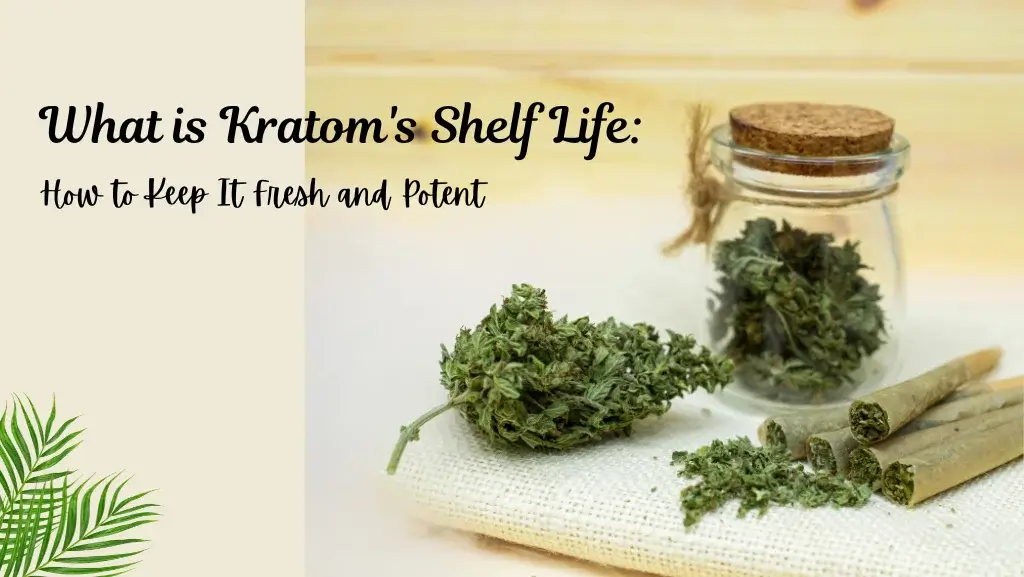
Kratom shelf life refers to the period during which Kratom maintains its chemical stability, freshness, and usability when stored under appropriate conditions.
In most cases, Kratom shelf life ranges from 12 to 24 months when kept in a cool, dry, airtight environment.
Kratom products are derived from the leaves of Mitragyna Speciosa, a tropical tree native to Southeast Asia. Like most botanical materials, it does not “expire” like perishable food. Instead, it gradually undergoes chemical degradation over time — primarily through oxidation of its naturally occurring alkaloids.
The key risk factor is not time alone, but moisture contamination.
How Long Does Kratom Last?
In short, Kratom shelf life depends more on storage conditions than age alone.
| Kratom Form | Average Shelf Life | Stability Notes |
| Powder | 1–2 years | Most stable when dry & sealed |
| Capsules | 1–2 years | Capsule shell sensitive to humidity |
| Extracts | 6–12 months | Faster oxidation rate |
| Liquid shots | 6–9 months | Moisture increases instability |
| Gummies | 9–12 months | Added ingredients reduce shelf stability |
Kratom Powder
Finely milled Kratom powder has a large surface area, which makes airtight storage critical. When sealed in mylar with oxygen protection and stored below 75°F, powder can remain stable for up to two years. In real-world storage (opened periodically), noticeable potency decline often begins after 12–18 months.
Kratom Capsules
Capsules contain the same powder but introduce an additional variable — gelatin or plant-based capsule shells. High humidity can soften capsules and cause moisture to migrate into the powder.
Extracts
Concentrated extracts are more sensitive to oxidation because alkaloids are exposed in higher concentrations. Repeated opening of extract containers accelerates breakdown.
Liquid Products
Liquids degrade fastest when exposed to moisture and when improperly sealed, posing a potential microbial risk.
Gummies
Because they contain additional ingredients, gummies typically have shorter shelf lives than raw powder.
Does Kratom Expire or Just Lose Potency?
This is one of the most misunderstood aspects of Kratom shelf life.
Kratom does not typically “expire” like dairy or meat products. Instead:
- Alkaloids gradually degrade due to oxygen exposure.
- Heat accelerates molecular breakdown.
- Light exposure speeds oxidation.
In practical terms:
- Old, dry Kratom → likely weaker, not necessarily .
- Moist or mold-contaminated Kratom → and must be discarded.
In long-term storage evaluations, properly sealed Kratom stored in dark, low-humidity conditions tends to show a gradual potency decline rather than spoilage.
The primary risk factor is moisture, not age.
What Affects Kratom Shelf Life?
From storage evaluations and vendor handling practices, these factors matter most:
Factors That Reduce Kratom Shelf Life
Moisture (Primary Risk Factor)
Even humidity levels above 60% can increase moisture absorption. Kratom is hygroscopic, meaning it naturally absorbs moisture from the air. This can lead to:
- Clumping
- Microbial growth
- Mold formation
Moisture contamination is the leading cause of Kratom.
Heat
Temperatures consistently above 80°F accelerate alkaloid degradation. Heat increases oxidation speed and reduces long-term potency retention.
Stable room temperature (60–75°F) is ideal.
Oxygen Exposure
Every time a container is opened, oxygen enters. Over time, this repeated exposure slowly reduces alkaloid concentration.
Minimizing air exchange significantly improves stability.
Light (UV Exposure)
Direct sunlight accelerates the breakdown of alkaloids. Even indirect UV exposure over months can reduce product freshness.
Opaque containers are preferable to clear jars.
Best Way To Store Kratom Powder
Based on long-term stability practices, proper storage makes the difference between 12 months and 24 months of usable product.
Use High-Barrier Packaging
- Mylar bags (excellent oxygen barrier)
- Airtight glass jars with rubber seals
- Vacuum-sealed containers
Avoid thin, resealable plastic bags for long-term storage.
Control Temperature
Ideal range: 60–75°F (15–24°C)
Avoid:
- Attics
- Car storage
- Areas near appliances
Temperature fluctuations accelerate degradation.
Maintain Low Humidity
Store in a dry cabinet away from kitchens and bathrooms. Silica packets can help reduce ambient moisture inside containers.
Avoid Refrigeration or Freezing
Refrigeration may seem protective, but it introduces condensation risk when containers are opened. Moisture formation from temperature shifts can compromise product integrity.
For this reason, most experienced vendors do not recommend refrigeration.
Read More: 7 Tips On Where And How To Store Kratom
Signs Kratom Has Gone Bad
Use this evaluation checklist:
✔️ Musty or damp odor
✔️ Visible white, green, or fuzzy spots
✔️ Clumping that does not break apart
✔️ Darkened or unusual discoloration
✔️ Sour or off taste
If mold is visible, discard immediately. Mold contamination is not something that can be “scraped off” or salvaged.
Read More: Does Kratom Go Bad?
Is Expired Kratom Dangerous?
In most cases, properly stored older Kratom becomes less potent rather than hazardous.
However:
- Moldy Kratom may pose risks.
- When in doubt, discard.
How to Maintain Kratom Freshness Long-Term
Experienced handling practices include:
- Opening large quantities only when needed
- Dividing bulk purchases into smaller sealed containers
- Avoiding repeated exposure of the entire batch
- Inspecting the product every few months
Most quality degradation happens due to frequent air exposure, not simply aging. When stored correctly, Kratom can maintain acceptable freshness for up to two years.
Final Thoughts
Kratom shelf life is largely determined by storage conditions rather than a strict expiration date. When protected from moisture, heat, oxygen, and light, Kratom powder typically remains stable for one to two years.
The key distinction is this:
- Time reduces potency.
- Proper storage practices are the most reliable way to preserve Kratom's freshness and minimize degradation.
FAQs
1. Does Kratom go bad?
Yes — particularly if exposed to moisture. Dry Kratom mainly loses potency over time rather than spoiling.
2. How long does Kratom powder last unopened?
Unopened, airtight Kratom powder can last up to two years under stable storage conditions.
3. Can old Kratom make you sick?
Dry, properly stored Kratom typically becomes weaker. Mold-contaminated Kratom may pose risks.
4. Does Kratom lose potency over time?
Yes. Alkaloids naturally degrade due to oxidation, heat, and light exposure.
5. Should I refrigerate Kratom?
No. Refrigeration increases condensation risk, which may introduce moisture.
Read more: Is It a Good Idea to Freeze Kratom?
6. How can I tell if Kratom is moldy?
Look for fuzzy white or green spots, damp clumps, and a musty odor.
7. Do products mention a Kratom expiration date on the labels?
When stored properly, Kratom powder often remains usable beyond the printed date if no moisture contamination is present.
Disclaimer: This content is provided for informational purposes only and does not constitute medical advice.
